

CosmeticDermatology BlogSkin Cancer
How Combining a Chemical Peel and Microneedling Series Can Maximize Results
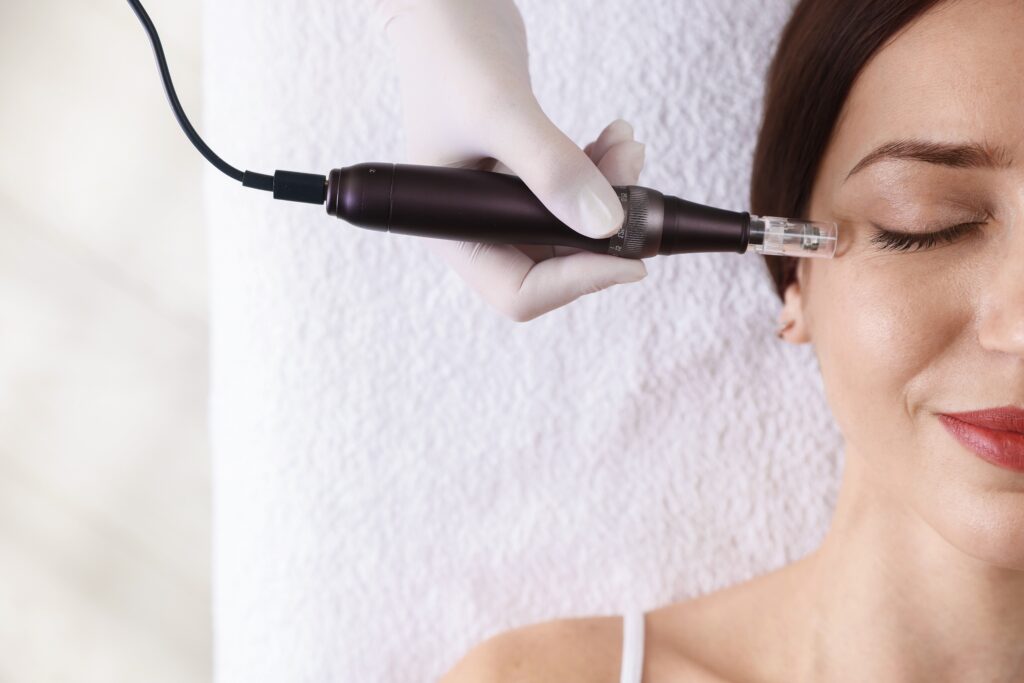
No matter how consistent a skincare routine is, some concerns, such as fine lines, uneven texture, or stubborn pigmentation, often require more than what over-the-counter products can offer. That’s usually when patients turn to professional treatments like chemical peels or microneedling, both of which can deliver real improvement on their own. Combining these two proven professional treatments can take those results even further, offering a more comprehensive path to the transformation you’re looking for.
Keep reading to learn how this powerful combination works and whether it might be right for your skin.
What Is a Chemical Peel?
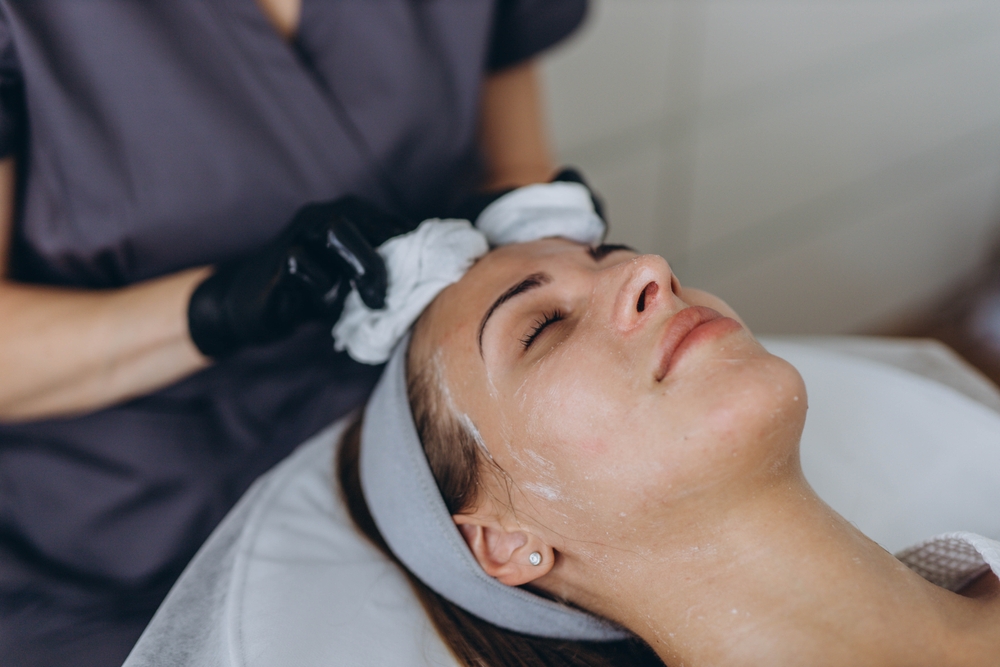
A chemical peel uses a specially formulated acid solution to exfoliate the outermost layers of skin, encouraging the removal of dull, damaged cells. As these older cells shed, fresher, smoother skin is revealed underneath.
Peels are available in varying strengths, from light peels that require little to no downtime to deeper formulations designed for more significant concerns. Common ingredients used in peels are glycolic acid, salicylic acid, and trichloroacetic acid, each offering unique benefits for different skin concerns. Regardless of which formulation is used, the goal is to reveal healthier, more radiant skin.
Your dermatologist will help you choose a peel strength suited to your skin type and goals.
What Is Microneedling?
Microneedling is a collagen-induction treatment that uses a device with fine, sterile needles to create tiny, controlled micro-injuries in the skin. These micro-injuries trigger the body’s natural wound-healing response, prompting increased collagen and elastin production. Unlike treatments that only address the skin’s surface, microneedling works at a deeper level to improve the skin’s underlying structure. Over the course of a series, patients often notice firmer, smoother, and more even-toned skin.
Microneedling can also be adjusted to different depths depending on the concern being treated and the area of the face or body involved. This versatility makes it a popular option for a wide range of skin types and concerns.
Why Combine a Chemical Peel and Microneedling Series?
Chemical peels and microneedling work in different but complementary ways, which is part of what makes combining them so effective. While a peel exfoliates and refines the skin’s surface, microneedling stimulates deeper structural changes that unfold gradually over time.
Kimberly Lomax, NP-C, a certified nurse practitioner at Golden State Dermatology in Modesto and Turlock, explains why this pairing has become increasingly popular among patients seeking more noticeable improvement.

“Patients often come to us wanting the kind of transformation that a single treatment simply cannot provide on its own. When we combine a chemical peel with a microneedling series, we are addressing the skin from two different angles: refining the surface while also encouraging deeper collagen remodeling underneath. This comprehensive approach tends to produce results that are more visible and more durable than what either treatment could achieve independently. It’s one of the main reasons we recommend this combination so frequently for patients dealing with textural concerns, scarring, or early signs of aging.”
This method allows your provider to target multiple skin concerns within a single overall treatment plan. Rather than choosing one treatment over the other, patients can benefit from the strengths of both.
What Skin Concerns Can This Combination Address?
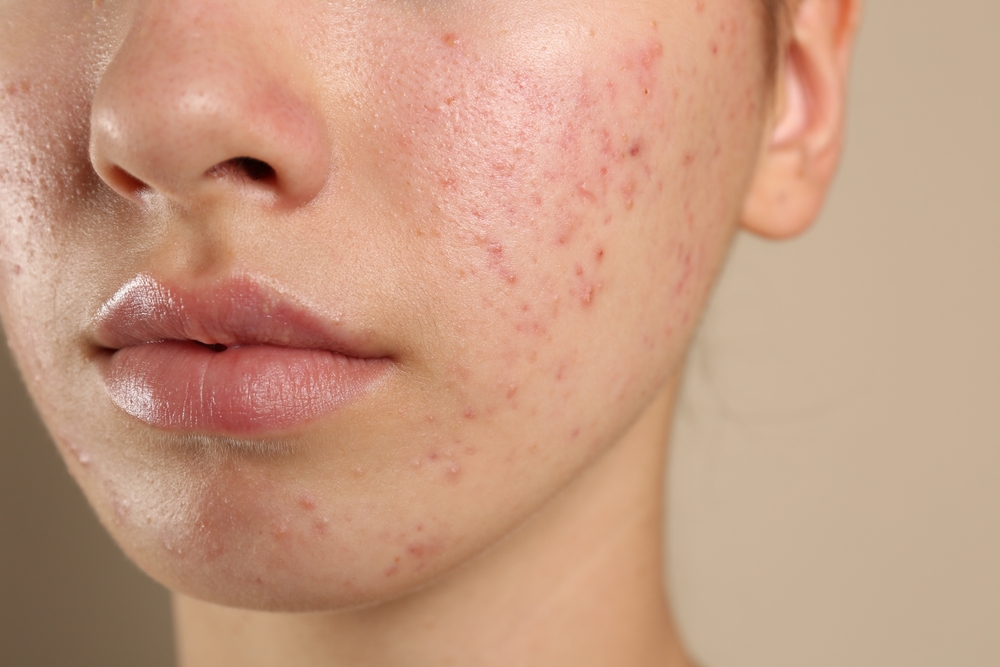
Combining a chemical peel with microneedling can benefit a wide variety of skin concerns, including acne scarring, enlarged pores, and uneven skin tone. Because each treatment approaches the skin differently, together they can address issues that may be resistant to either treatment alone.
Fine lines and early signs of aging often respond well to this combination, since collagen stimulation and surface renewal work together to improve overall texture and firmness. Hyperpigmentation, including sun spots and some forms of melasma, may also improve with a customized combination treatment plan.
Some of the most common concerns treated with this combination include:
- Acne scarring
- Uneven skin texture
- Enlarged pores
- Fine lines and early wrinkles
- Dull or uneven skin tone
How Are the Treatments Sequenced in a Series?
Your dermatologist will typically customize the order and timing of your treatments based on your specific skin concerns and goals. In many treatment plans, microneedling and chemical peel sessions are alternated or spaced several weeks apart to give the skin adequate time to heal between appointments.
Amber Rangel, PA-C, a certified physician assistant at Golden State Dermatology in Los Angeles, describes how a typical combination treatment plan might be structured.

“Every patient’s skin responds differently, so we design each treatment series around their individual needs rather than following a one-size-fits-all approach. In general, we recommend spacing sessions a few weeks apart to give the skin time to heal and to allow us to assess progress along the way. Depending on the concern being treated, we might start with a series of peels to prepare the skin, followed by microneedling sessions to address deeper structural changes. Patience is important with this approach, since the most significant results tend to build gradually over the course of the full series.”
This gradual approach helps minimize irritation while still allowing for meaningful, cumulative improvement. Most patients complete a series of three to six combined sessions, though the total number will depend on their specific goals.
Are You a Good Candidate for Combination Treatment?
Good candidates for combining a chemical peel and microneedling series are generally healthy individuals looking to improve the appearance of scarring, texture, pigmentation, or early signs of aging. Because this combination can be adjusted in intensity, it may be suitable for a range of skin types and tones. A thorough consultation with a provider at Golden State Dermatology is the best way to determine if this treatment combination aligns with your skin goals. During this visit, your dermatologist will evaluate your skin, discuss your medical history, and help set realistic expectations for your results.
Achieving Maximum Results With a Personalized Plan
Combining a chemical peel and microneedling series allows your provider to address your skin from multiple angles, often producing more comprehensive results than either treatment alone. With a customized plan tailored to your specific concerns, this approach can help you achieve smoother, more even, and more radiant skin over time.
If you’re ready to explore how this combination treatment might benefit your skin, a personalized consultation is the best place to start.
If you have questions about your skin, schedule an appointment at Golden State Dermatology today!