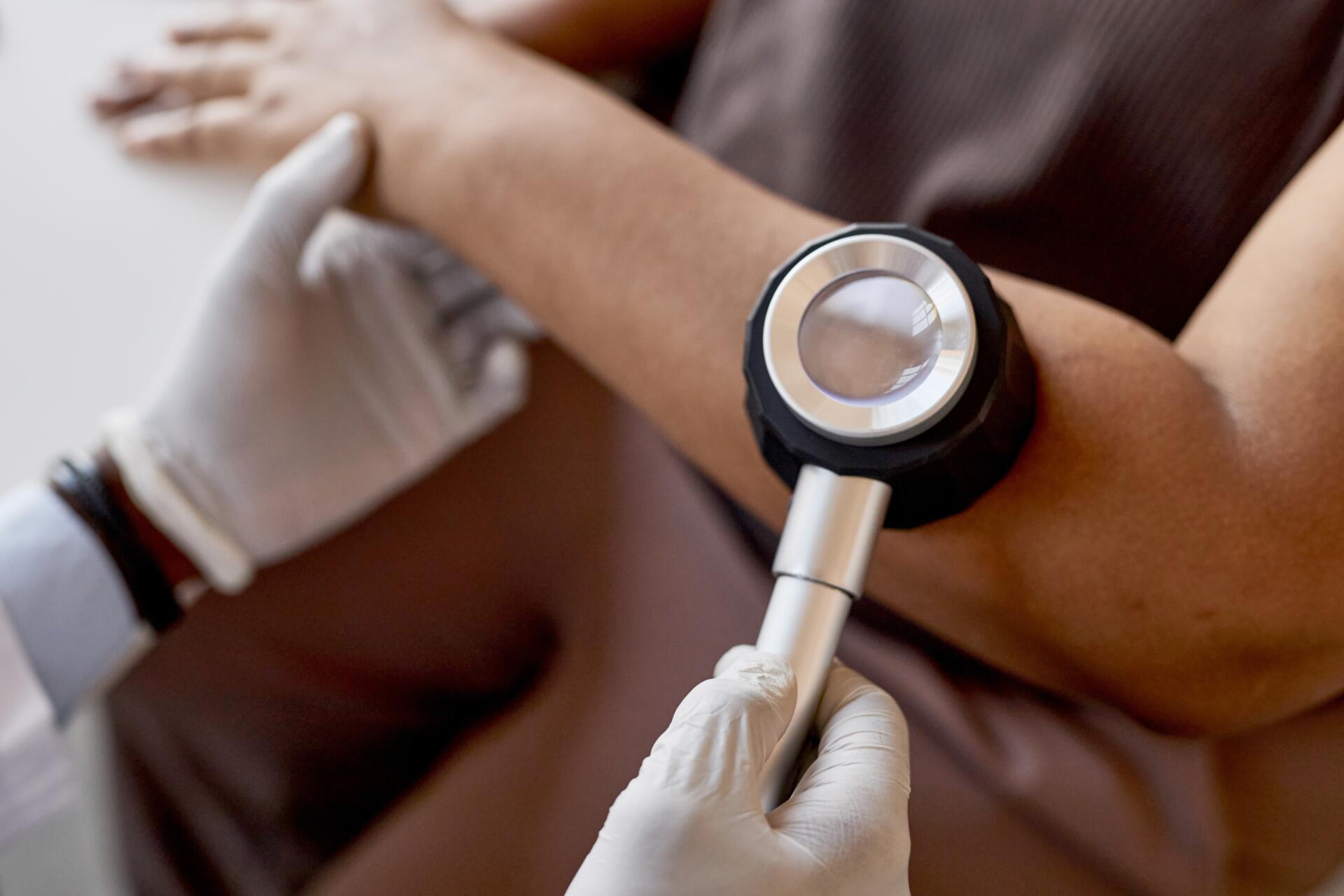
Why an Annual Skin Cancer Screening Matters
All adults should be screened for skin cancer at least once a year. This is accomplished by scheduling an appointment for a full-body skin exam by a dermatologist or by

All adults should be screened for skin cancer at least once a year. This is accomplished by scheduling an appointment for a full-body skin exam by a dermatologist or by

When people notice a new or changing spot on their skin, one of the first things they do is touch it. If something feels different, raised, or rough, it’s a

When the temperature drops and the days get shorter, many people pack away their sunscreen along with their summer clothes. It’s easy to assume that chilly weather means you can

Most of us know that too much sun exposure can lead to melanoma. That’s why we wear sunscreen, seek shade, and try to protect our skin when we’re outside. But

New skin growths commonly develop as a result of sun exposure over time, family history, hormonal influences, and the natural processes that affect our skin. These developments can trigger anxiety,

Skin cancer affects millions of Americans each year, with basal cell carcinoma (BCC) being the most frequently diagnosed type. While the term “carcinoma” can sound frightening, basal cell carcinoma is
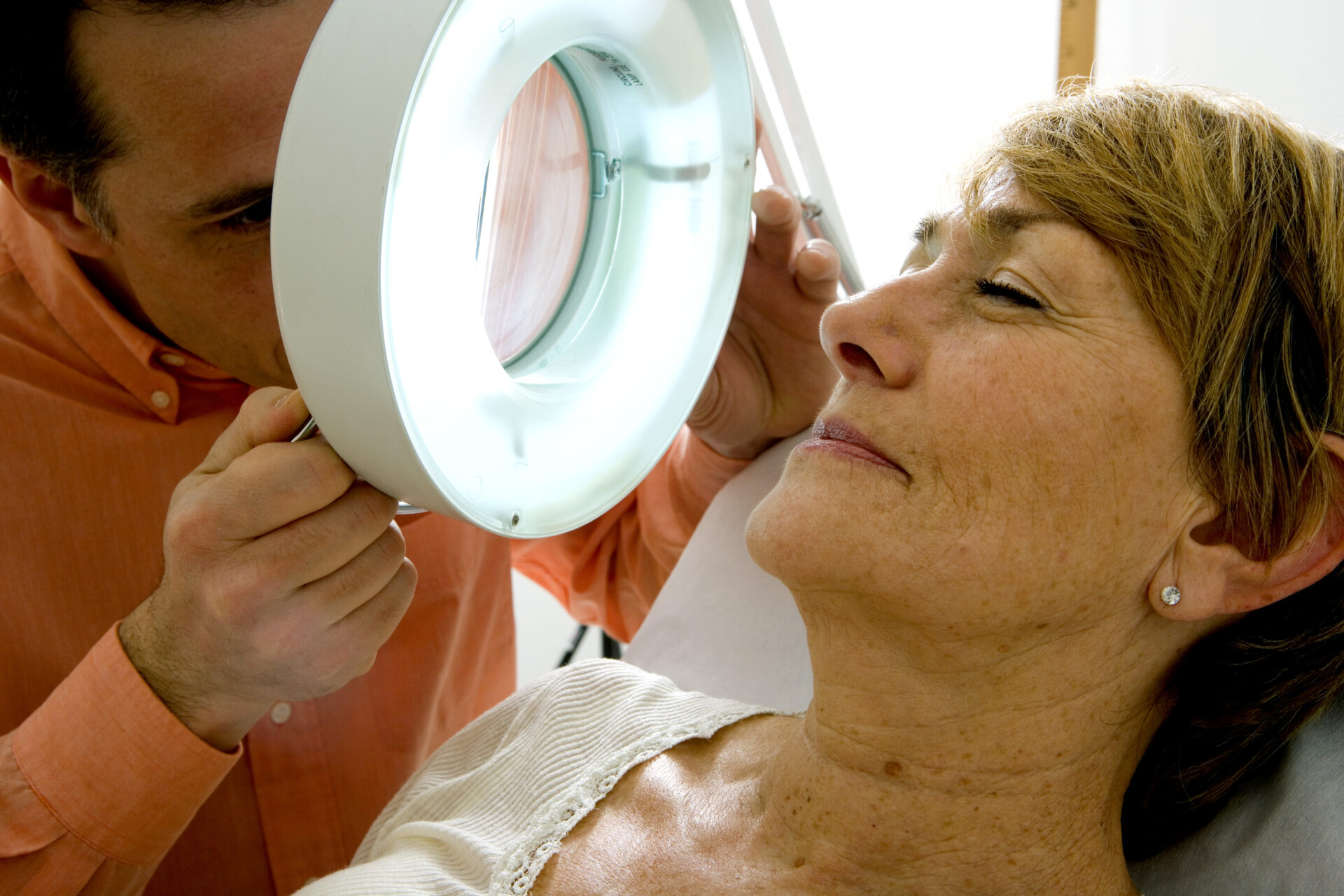
After successfully treating skin cancer, many patients find themselves facing a new challenge: the reconstruction and restoration of the treated area. While the primary focus during treatment is eliminating cancerous

Have you ever noticed dark spots on your skin and wondered if they’re just ordinary moles or something that requires more attention? Understanding the difference between normal moles and atypical
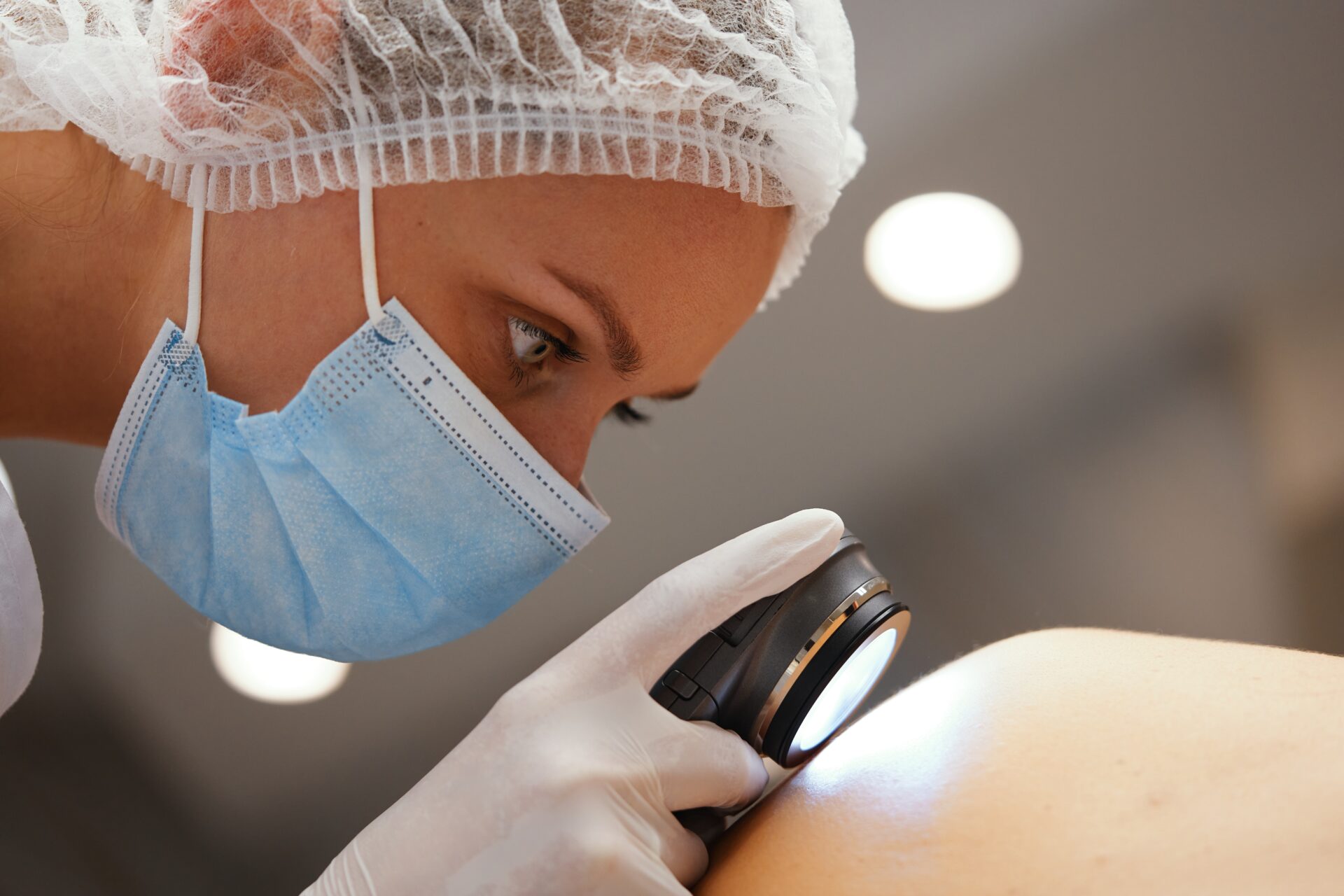
Melanoma affects thousands of Americans each year and raises important questions about risk factors and prevention. While sun exposure is widely recognized as a significant contributor to melanoma development, many

We all know the importance of applying sunscreen to our face, shoulders, and back when heading outdoors. But did you know that many common skin cancer spots develop in areas