Mohs surgery is one of the most effective treatments available for many types of skin cancer, offering high cure rates while preserving as much healthy tissue as possible. Once the procedure is complete, most patients want to know how they can heal as quickly and smoothly as possible.
While no single trick can shrink your body’s natural healing timeline overnight, there are steps you can take to support recovery and reduce the risk of complications. Keep reading to learn what actually helps your skin heal after Mohs surgery, and what to watch for along the way.
What Is Mohs Surgery?
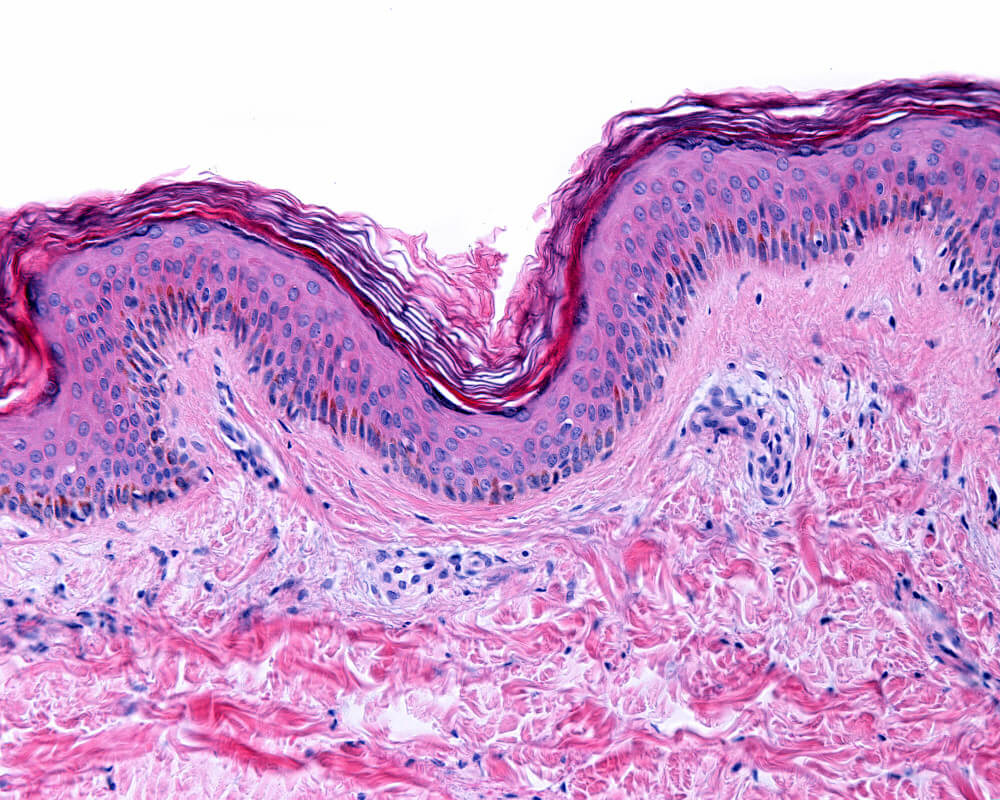
Mohs surgery is a precise surgical technique used to remove skin cancer layer by layer. Each layer is examined under a microscope in real time, allowing your surgeon to confirm that all cancerous cells have been removed before closing the wound.
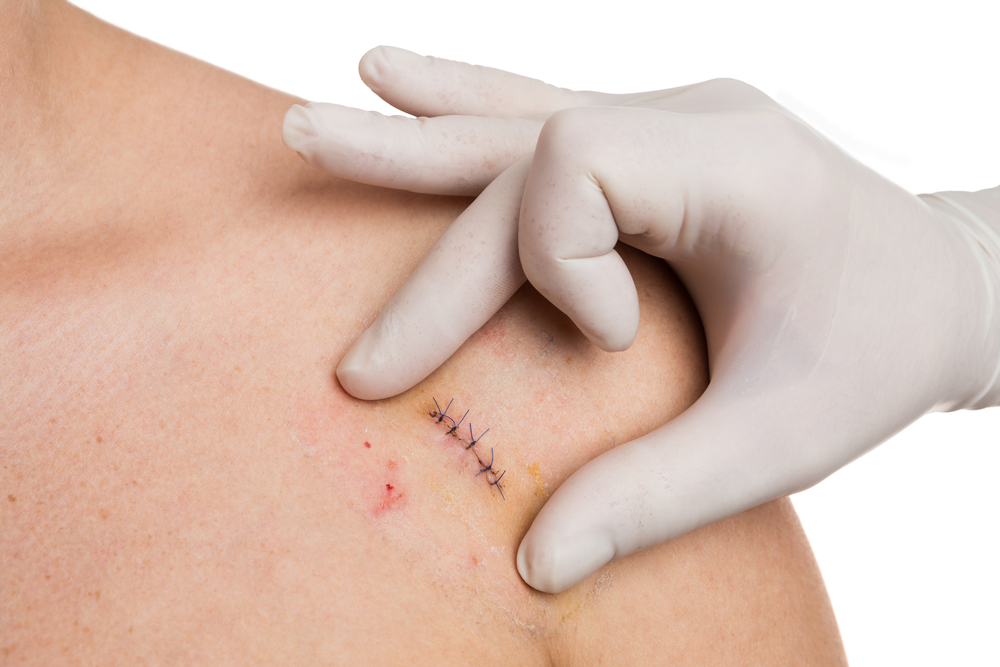
This method offers one of the highest cure rates of any skin cancer treatment, mainly because it allows for a thorough examination of the tissue margins.
Because Mohs surgery can involve removing more than one layer of tissue, the size of the resulting wound can vary quite a bit from patient to patient.
Your provider at Golden State Dermatology will discuss your specific wound and repair method before you leave your appointment.
What Does Normal Healing After Mohs Look Like?
Every patient’s healing process looks a little different depending on the size and location of the wound. That said, most people can expect some redness, mild swelling, and scabbing in the days following surgery.
In the first week, it’s common for the area to feel tender or slightly itchy as new tissue begins to form. Swelling and bruising often peak within the first two to three days before gradually improving.
Over the next several weeks, the wound will continue to close and the surrounding skin will slowly return to a more normal appearance. Complete healing, including the fading of redness and refinement of any scar, can take several months to a full year depending on the treatment area.
How Can You Care for the Wound Site?
Proper wound care is one of the most important factors in how well and how quickly your skin heals.
Keeping the area clean and appropriately moist, rather than letting it dry out and scab excessively, tends to support faster healing with less visible scarring.
Your provider will typically recommend gently cleaning the wound with mild soap and water, followed by an application of a bland ointment such as petroleum jelly. Covering the area with a bandage as instructed also helps protect it from bacteria and reduces the risk of irritation from clothing or accidental bumps.
Jeanne Strunck, MD, a board-certified dermatologist and Mohs surgeon at Golden State Dermatology, explains why consistent wound care matters so much.
“Patients are often surprised to learn that keeping a wound slightly moist actually helps it heal faster and with a better cosmetic outcome than letting it air out and scab over. Scabs can actually slow down the migration of new skin cells across the wound bed. We give very specific instructions for a reason, and following them closely in those first one to two weeks can make a noticeable difference in the final result.”

Does Nutrition Play a Role in Healing?
What you eat and drink in the weeks following surgery can influence how your body repairs itself.
Staying well hydrated supports healthy circulation, which helps deliver oxygen and nutrients to the healing tissue. Protein is particularly important during this time as well, since it provides the building blocks your body uses to repair skin. Foods rich in vitamin C and zinc, such as citrus fruits, leafy greens, and lean meats, can also support the healing process.
On the flip side, alcohol and smoking can both interfere with healing by affecting circulation and collagen production. Avoiding or significantly limiting these during your recovery period is one of the simplest ways to give your skin a better chance at healing efficiently.
Can Activity Level Affect Recovery?
It’s tempting to jump right back into your normal routine, but overdoing it too soon can slow healing or even affect your scar’s appearance. Strenuous exercise, heavy lifting, and activities that stretch or strain the surgical site should generally be avoided for at least the first one to two weeks. Gentle movement is usually fine and even encouraged to support circulation. Your provider will give you specific guidance based on the location of your wound and the type of repair that was performed.
Are There Products That Help (or Hurt) Healing?
Once your wound has closed, certain products can help minimize the appearance of your scar over time.
For example, silicone-based gels and sheets are among the most well-researched options for improving scar texture and color.
Broad-spectrum sunscreen is also essential once the area is healed enough to apply it, since new scar tissue is especially vulnerable to sun damage and discoloration.
Your provider at Golden State Dermatology can recommend a timeline for introducing these products based on your specific healing progress.
Katie Given, MD, PhD, a board-certified dermatologist and Mohs surgeon at Golden State Dermatology, cautions against reaching for unproven remedies.
“Patients often ask about home remedies they’ve seen online, like vitamin E oil or various essential oils, but the evidence behind many of these is thin at best. Some can even irritate healing skin or trigger an allergic reaction. I always recommend sticking to what your provider has specifically approved rather than experimenting on your own during this sensitive healing window.”

When Should You Contact Your Provider?
While some redness, swelling, and mild discomfort are expected, certain symptoms warrant a call to your provider. Increasing pain, spreading redness, or warmth around the wound can all be signs of infection.
A fever, unusual discharge, or a wound that seems to be opening rather than closing are also reasons to reach out promptly.
Trusting your instincts and checking in with your provider is always better than waiting to see if something resolves on its own.
Supporting Your Skin’s Natural Healing Process
Healing after Mohs surgery is a gradual process that can’t be rushed dramatically, but the choices you make in the days and weeks afterward do matter. Careful wound care, good nutrition, appropriate activity levels, and sun protection all work together to support your skin as it repairs itself. Following your personalized aftercare instructions closely gives your skin the best possible chance at a smooth and successful healing process.
If you have questions about your skin, schedule an appointment at Golden State Dermatology today!