A skin biopsy may feel like the main event, but the real diagnostic work is just beginning. Once your sample leaves the procedure room, it heads to a lab where someone examines it under a microscope to determine exactly what is going on. That someone is a pathologist, but not all pathologists are the same when it comes to skin.
Keep reading to learn the difference between a general pathologist and a dermatopathologist, and why it matters for your diagnosis.
What Is a Pathologist?
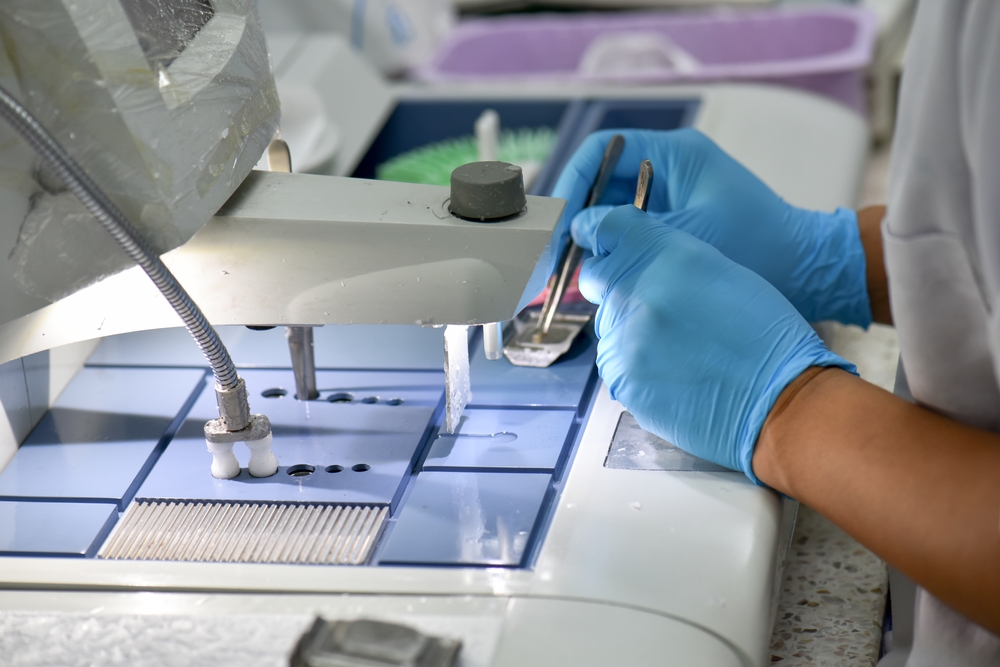
A pathologist is a physician who specializes in diagnosing disease by examining tissue, blood, and other body fluids. Their work happens largely behind the scenes, but their reports directly shape the treatment decisions your other doctors make.
General pathologists are trained broadly across the entire body. This wide-ranging expertise is essential to modern medicine. However, the breadth of their work means they don’t always have the deep, narrow focus that certain organ systems demand.
What Is a Dermatopathologist?
A dermatopathologist is a physician who has completed additional, subspecialty training focused exclusively on diseases of the skin, hair, and nails. They look at skin samples all day, every day, which gives them a particularly refined eye for what is and isn’t normal.
Dermatopathologists are board-certified in dermatopathology, a credential earned only after years of additional fellowship training. Their training equips them to recognize hundreds of skin conditions, including rare disorders that a general pathologist may rarely encounter.
Dr. Michelle Cheng, a board-certified dermatologist at Golden State Dermatology in Torrance, explains:
“The difference between a general pathologist and a dermatopathologist often comes down to volume and focus. A dermatopathologist may read tens of thousands of skin biopsies over the course of their training and career, and that kind of repetition sharpens diagnostic accuracy in ways that are hard to overstate. When we send a biopsy out, we want it interpreted by someone who has seen the subtle variations of that exact condition many times before. For our patients, that focused expertise can make a real difference in catching things early and avoiding misdiagnosis.”

Why Skin Is Uniquely Complex Under the Microscope
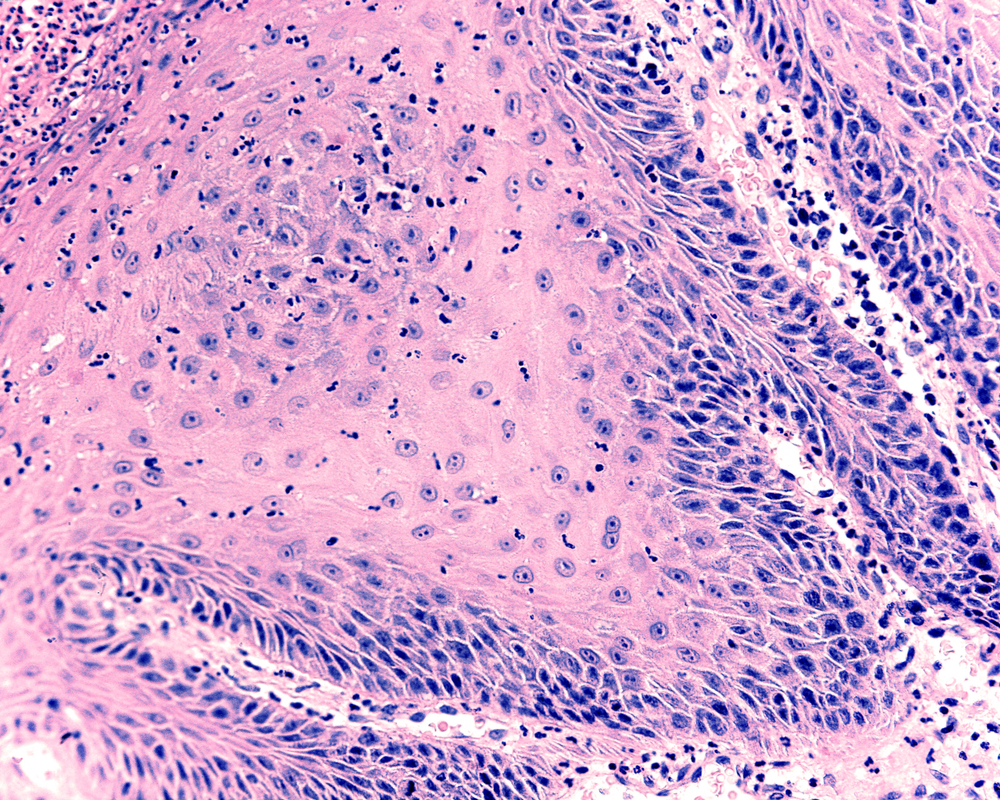
Skin may seem like a simple organ from the outside, but under a microscope, it is remarkably intricate. It has multiple layers, each with its own cell types, structures, and patterns that can be affected by disease in different ways.
Many skin conditions also look surprisingly similar at first glance. A benign mole and an early melanoma can share features, certain rashes can mimic skin cancers, and inflammatory conditions often overlap in their microscopic appearance. Recognizing a melanoma in its earliest stages, for example, can depend on noticing subtle architectural changes that a less experienced eye might overlook. The same is true for distinguishing one type of lymphoma from another or identifying an unusual presentation of an autoimmune condition.
Dermatopathologists are trained specifically to spot these subtleties. Their pattern recognition is built on years of focused exposure to skin tissue rather than tissue from across the body.
When Does a Skin Biopsy Get Read by a Dermatopathologist?
Not every skin biopsy in the country is automatically reviewed by a dermatopathologist. Where your sample is sent often depends on the dermatology practice, the laboratory they partner with, and sometimes your insurance plan.
Dermatology practices that prioritize accurate skin diagnoses often work directly with dermatopathology labs or in-house dermatopathologists. This intentional choice helps ensure that the physician interpreting your tissue has the specific expertise that skin samples require.
If you are ever curious about who reads your biopsies, it is completely reasonable to ask your dermatologist. Knowing the answer can give you greater confidence in your results, especially when the diagnosis is something serious.
How Accuracy Affects Your Diagnosis and Treatment
Dermatopathologists tend to have higher diagnostic accuracy for skin samples than general pathologists, particularly for melanocytic lesions such as moles and melanomas. That accuracy translates directly into better treatment decisions and better outcomes.
Sarah Tadros, PA-C, a certified physician assistant at Golden State Dermatology in Montclair and Glendora, adds:
“In dermatology, the line between a benign growth and something dangerous can be incredibly fine on a slide. We rely heavily on dermatopathologists to draw that line correctly, because the next step in a patient’s care depends entirely on what the biopsy report says. A clear, accurate diagnosis allows us to recommend the right treatment with confidence, whether that means continued monitoring, a minor procedure, or a more involved surgical plan. The value of that expertise is hard to overstate when you are talking about skin cancer in particular.”
When a dermatopathologist reads your biopsy, your dermatologist receives a report shaped by specialized expertise. That report often includes specific details about the depth, type, and behavior of any abnormal cells.
These details help your dermatologist tailor your treatment plan with precision. They also help guide follow-up recommendations, such as how often you should be checked for new or changing lesions in the future.
What This Means for Patients at Golden State Dermatology
Golden State Dermatology takes biopsy interpretation seriously enough that they have built their own dedicated dermatopathology lab. Golden State Dermatopathology is a full-service dermatopathology lab based in Walnut Creek, California, designed to deliver fast turnaround times, efficient communication, and advanced diagnostics for both patients and physicians.
That in-house relationship has real benefits for patients. Every case submitted to Golden State Dermatopathology is reviewed by an experienced dermatopathologist, and the lab is led by a team of board-certified specialists with decades of combined experience.
Direct Collaboration Between Your Dermatologist and the Lab
Because both groups work hand in hand, your dermatologist can consult directly with the dermatopathologist reading your biopsy. That kind of open communication is uncommon in outside lab arrangements, and it leads to more accurate diagnoses and more tailored treatment plans.
Fast Turnaround for Faster Answers
Waiting for biopsy results is one of the most stressful parts of any skin procedure. Golden State Dermatopathology offers a typical 1 to 2 day turnaround, which means faster answers and, when needed, faster treatment for serious conditions like melanoma.
Advanced Diagnostic Tools When Cases Get Complex
Not every biopsy is straightforward. For challenging cases, the lab offers advanced services like immunohistochemistry, molecular testing, and FISH testing to distinguish between conditions that can look nearly identical under a routine microscope.
Choosing a dermatology practice that values dermatopathology expertise is one of the best things you can do for your skin health. The right eyes on your slide can mean the difference between an early catch and a missed diagnosis, between confident treatment and unnecessary uncertainty.
If you have questions about your skin, schedule an appointment at Golden State Dermatology today!