

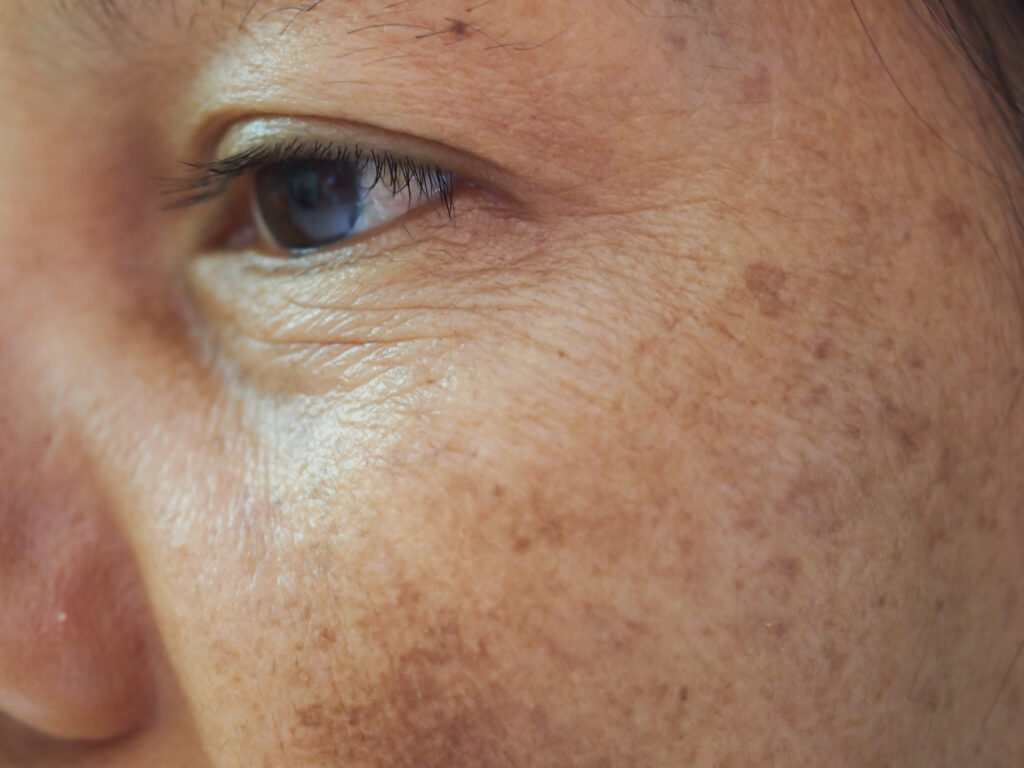
Summer sun exposure can leave a lasting mark on your skin, from dark spots and uneven tone to fine lines that stick around long after the season ends. With the new year on the horizon, many people are looking for ways to refresh their skin before the calendar turns over. Winter also happens to be an ideal time to treat sun damage. Cooler months mean less UV exposure, which allows your skin to heal properly between sessions without the risk of new damage interfering with your results.
Keep reading to learn how laser treatments work and what you can expect from the process.
What Is Sun Damage?
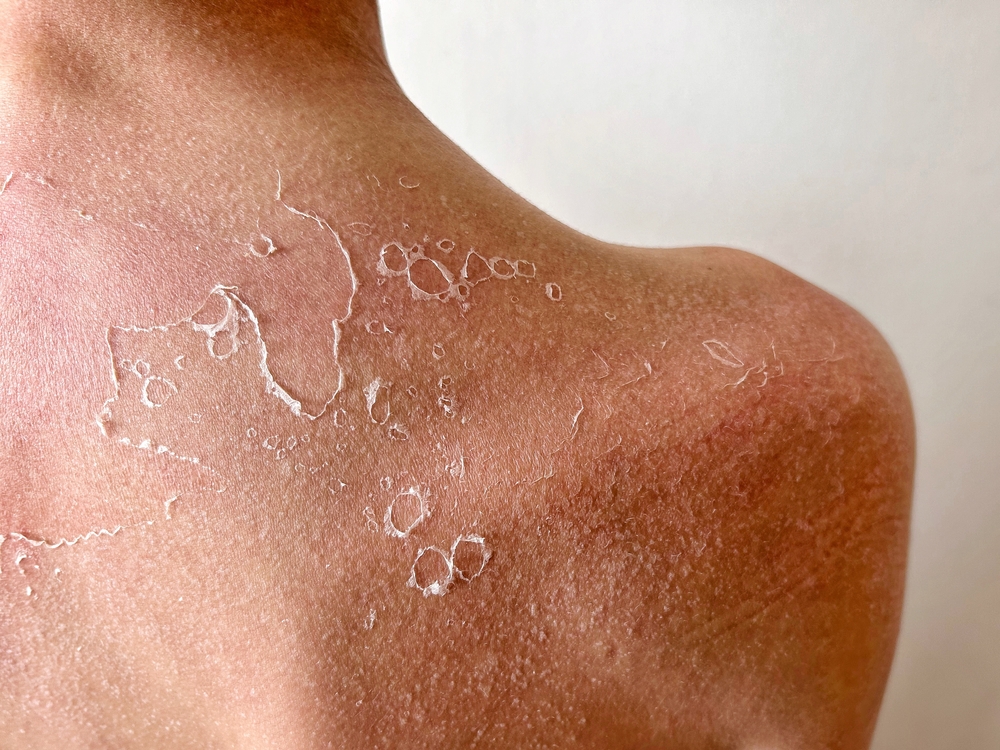
Sun damage occurs when ultraviolet (UV) rays penetrate the skin and disrupt its normal cellular processes. This exposure can trigger excess melanin production, leading to dark spots, freckling, and an uneven skin tone. UV rays also break down collagen and elastin, the proteins responsible for keeping skin firm and smooth. Over time, this breakdown contributes to fine lines, rough texture, and a duller overall appearance.
Not all sun damage is immediately visible. Some changes occur at a deeper level and only become apparent months or even years later as the skin continues to age.
How Do Laser Treatments Repair Sun Damage?
Laser treatments work by delivering concentrated light energy to targeted areas of the skin. This energy is absorbed by specific structures, like excess pigment or damaged tissue, prompting the body to break it down and clear it away naturally. At the same time, many lasers stimulate the skin’s own healing response, encouraging fresh collagen production beneath the surface. The dual action helps address both the visible signs of sun damage and some of the underlying structural changes that caused them.
Dayoung Ko, MD, a board-certified dermatologist at Golden State Dermatology in Los Gatos and Mountain View, explains why lasers have become such a valuable tool for treating sun damage.
“Laser technology allows us to target very specific concerns, whether that’s a cluster of sun spots or overall texture irregularities, without affecting the surrounding healthy skin. This precision is what makes laser treatments so effective for reversing the visible signs of sun exposure. Patients are often surprised at how much improvement they see, especially in areas that have bothered them for years.”

What Types of Laser Treatments Are Available?
Not all lasers work the same way, and different devices are better for different skin concerns. Your provider will help determine which option, or combination of options, is right for your specific goals.
Non-Ablative Lasers
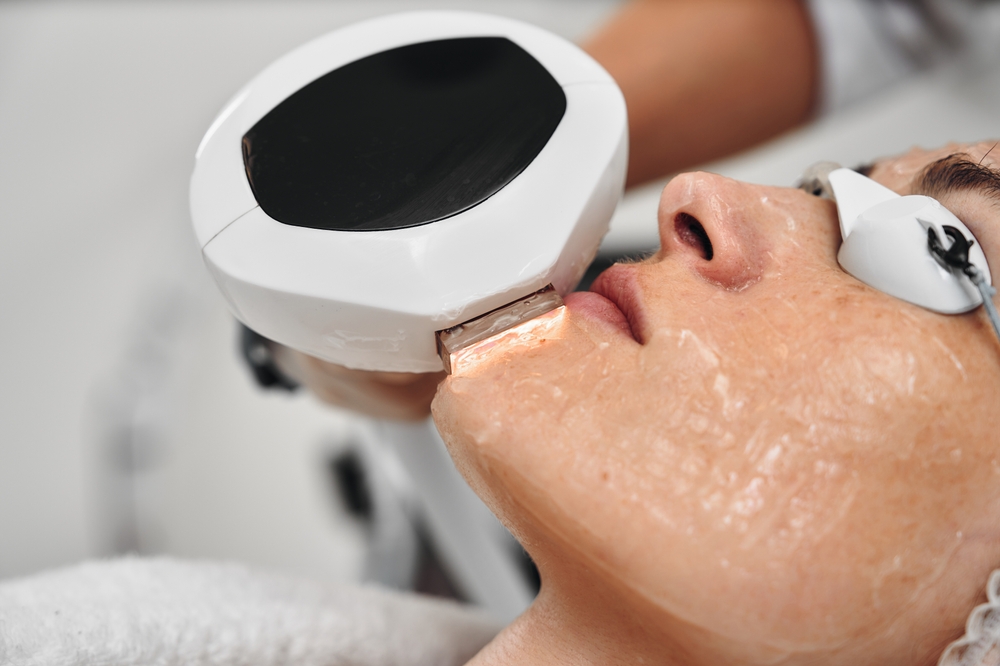
Non-ablative lasers work beneath the skin’s surface without damaging the top layer. These treatments stimulate collagen production and improve tone and texture with minimal downtime. Non-ablative lasers are a popular choice for patients who want noticeable improvement without taking significant time away from their normal routine.
Ablative Lasers
Ablative lasers remove the outermost layers of skin to reveal fresher, smoother skin underneath. These treatments tend to produce more dramatic results in fewer sessions, though they typically involve a longer recovery period. Ablative options are often recommended for more significant sun damage or deeper texture concerns.
Intense Pulsed Light (IPL) Therapy
Intense pulsed light, or IPL, technically uses light rather than a single laser wavelength, but it is often grouped with laser treatments due to its similar goals. IPL is very effective at reducing pigmentation issues like sun spots and redness. Because IPL targets pigment specifically, it can be a good option for patients whose primary concern is discoloration rather than texture or fine lines.
What Skin Concerns Can Lasers Address?
Laser treatments can address a wide range of sun-related skin concerns like sun spots, hyperpigmentation, and an uneven overall skin tone. Many lasers also improve fine lines, rough texture, and visible redness caused by broken capillaries. Your provider can recommend a treatment plan tailored to the specific combination of concerns you want to address.
What Happens During a Laser Treatment Session?
Every laser treatment begins with a thorough consultation to evaluate your skin and discuss your goals. Your provider will examine your skin type, the extent of your sun damage, and any other factors that might affect treatment.
On the day of your session, a topical numbing cream is often applied to keep you comfortable throughout the procedure. Most patients describe the sensation as a mild warmth or occasional snapping feeling, depending on the type of laser used.
Sessions typically last between 20 and 60 minutes, depending on the size of the treatment area and the device selected.
Kimberly Lomax, FNP-C, a certified nurse practitioner at Golden State Dermatology in Fresno and Turlock, shares what many patients experience.
“Most people are surprised at how manageable the treatment itself feels, especially with proper numbing beforehand. We monitor comfort throughout the session and can adjust settings as needed to keep the experience as smooth as possible. Afterward, patients often notice an immediate glow, even before the deeper results start to appear over the following weeks.”

Restoring Your Skin’s Health After Summer
Laser treatments offer an effective, science-backed way to reverse many of the visible effects of summer sun exposure, but the right approach depends on your unique skin and goals. This is why a personalized consultation is such an important first step. With guidance from an experienced provider, you can develop a treatment plan that addresses your specific concerns and helps your skin look its healthiest.
If you have questions about your skin, schedule an appointment at Golden State Dermatology today!