

Dermatology
Squamous Cell Carcinoma
What Is Squamous Cell Carcinoma?
Squamous cell carcinoma is the second most common form of skin cancer, affecting more than 250,000 Americans a year. If left untreated, squamous cell carcinoma has the potential to spread to other areas of the body and become life-threatening.
Like other forms of skin cancer, squamous cell carcinoma is most common in areas of the body that are frequently exposed to the sun. However, this type of tumor can occur on other parts of the body as well.
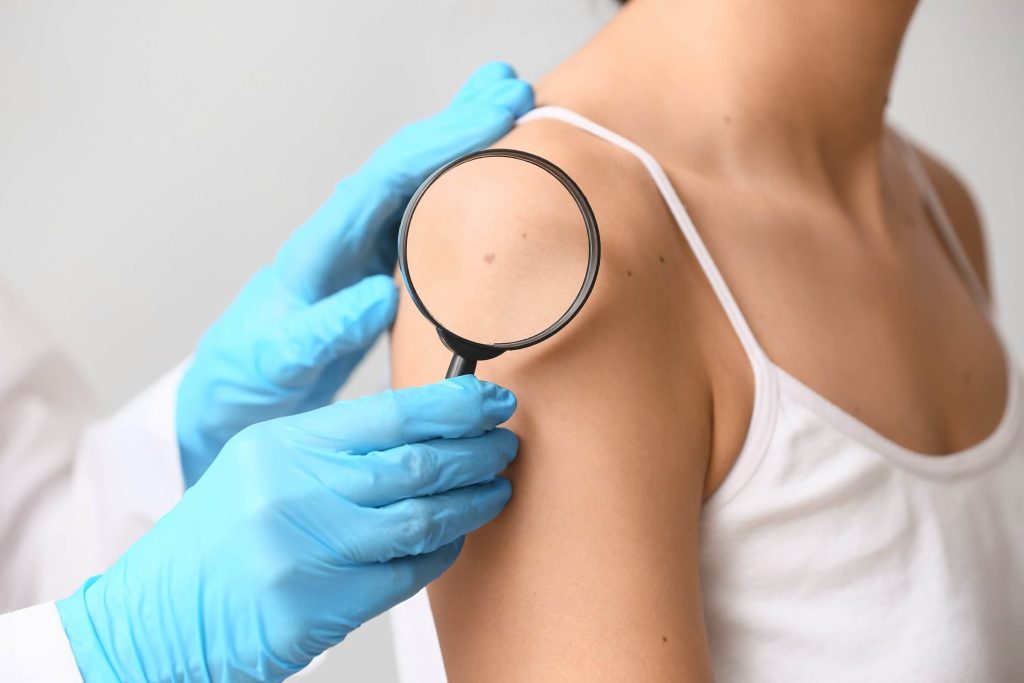
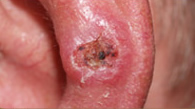
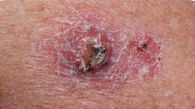
Warning signs include a wart-like growth or a scaly red patch, an open, non-healing sore, or an elevated growth. These lesions can occasionally bleed or crust over and may have borders that are difficult to define.
Actinic keratoses can be pre-cursors of squamous cell carcinoma, frequently occurring on the face, exposed areas of the scalp, torso and extremities. People with fair skin and light colored hair and eyes have an increased risk of developing squamous cell carcinoma. In addition, patients whose immune systems are compromised, such as organ-transplant patients on immunosuppressive medication, are at an increased risk of developing squamous cell carcinoma.
A biopsy is required to confirmed a diagnosis. An early, superficial form of squamous cell carcinoma is squamous cell carcinoma in-situ. In-situ involves the outer surface of the skin only, and has not yet developed an invasive component.
Treatment
Curettage and Electrodesiccation
This procedure is typically limited to the treatment of squamous cell carcinoma in situ. This procedure uses a surgical instrument (curette) to scrape the cancer cells away from the skin surface, followed by burning the skin surface with an electric needle. The wound is allowed to heal without suturing. This procedure has a cure rate of 90%. One disadvantage of this procedure is that it may result in a whitish scar which may be depressed.
Radiation
Radiation is an effective treatment for squamous cell skin cancer, with a cure rate of approximately 90%. One advantage of radiation treatment is the avoidance of a surgical procedure. Disadvantages of radiation include the need for a series of treatments over a several week period. In addition, the skin may develop radiation changes (loss of pigmentation and a shiny appearance). These changes may occur several years after the radiation is completed. Radiation is often recommended for patients who are suboptimal surgical candidates.
Excisional Surgery
This involves the surgical removal of the tumor using local anesthesia and closure of the wound with sutures. The excised specimen is submitted for pathology processing to be certain that the cancer is completely removed. The pathology results typically take several days to become available. The cure rate with this procedure is approximately 90%.
Excisional Surgery with Conventional Frozen Section Margin Control
This procedure, which is often performed in a hospital setting, involves checking the pathology with conventional (non-Mohs) frozen sections prior to closing the surgical wound. If tumor extends to the edges of the specimen, additional tissue is removed prior to closing the wound. This method does not examine 100% of the surgical margins, and thus the potential exists for cancer cells to be undetected at the wound edges. Conventional frozen section margin control provides a cure rate of approximately 95%.
Mohs Micrographic Surgery
Mohs micrographic surgery provides the highest possible cure rate of all treatments for squamous cell carcinoma, with a cure rate of greater than 98% for previously untreated tumors. The procedure is performed in the office using local anesthesia. With Mohs micrographic surgery, the pathology is processed using frozen sections prior to closing the wound. If the tumor extends to the wound edges, an additional layer of tissue is removed and processed. The tissue processing with Mohs Surgery is more thorough than conventional frozen section margin control. With Mohs, 100% of the surgical margins are assessed, which accounts for the higher cure rate with Mohs surgery. Mohs surgery also preserves the greatest amount of healthy skin, resulting in the smallest possible surgical defect. One disadvantage of Mohs Micrographic surgery is the potential length of the procedure, which may take several hours to complete.
Provided at These Locations
Encino
Moy, Fincher, Chipps Facial Plastics & Dermatology
5400 Balboa Blvd, Suite 220
Encino, CA 91436

Los Angeles
ShanthiMD Dermatology
2990 S. Sepulveda Blvd., Suite 300
Los Angeles, CA 90064
Mountain View
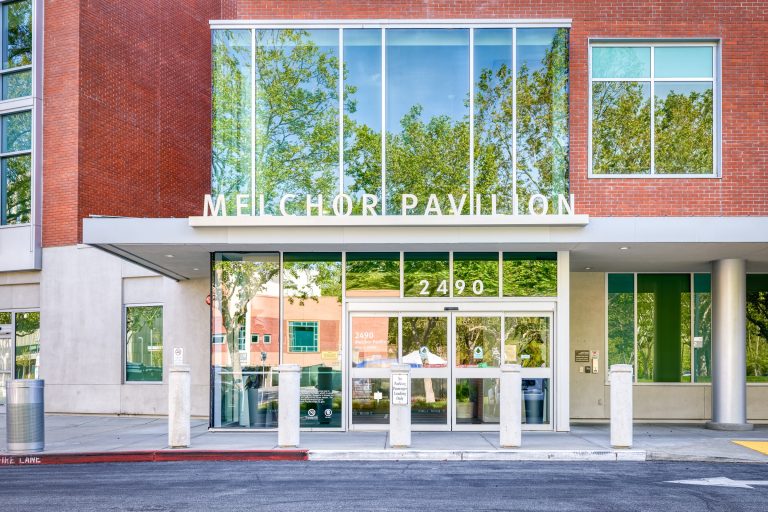
The Menkes Clinic
Melchor Pavilion 2490 Hospital Drive, Suite 201
Mountain View, CA 94040
Pleasanton
Golden State Dermatology
6155 Stoneridge Drive
Suite 150
Pleasanton, CA 94588

Roseville
Golden State Dermatology
8735 Sierra College Blvd., Suite 200
Roseville, CA 95661
Sacramento – Fair Oaks
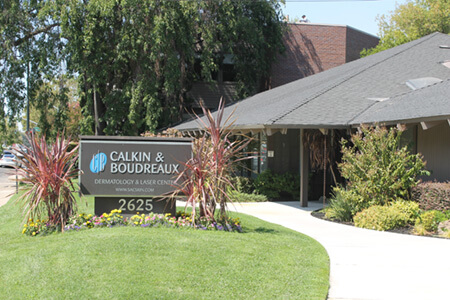
Calkin & Boudreaux Dermatology Associates
2625 Fair Oaks Blvd
Ste. 1 & Ste. 4
Sacramento, CA 95864

San Francisco – Cosmetic & General Dermatology
Golden State Dermatology
450 Sutter Street, Suite 1426
San Francisco, CA 94108
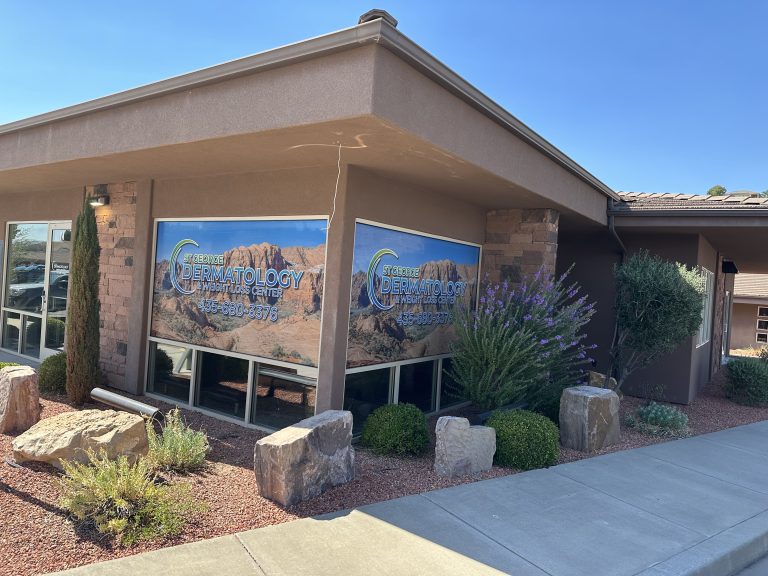
St. George
St. George Dermatology
Ventana Medical Park
230 North 1680 East, Suite N
St. George, UT 84790
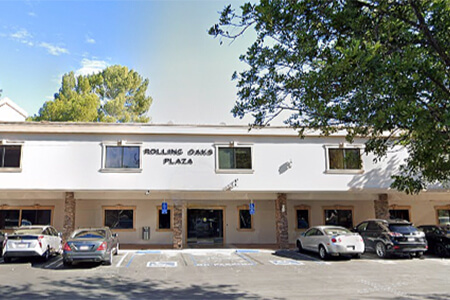
Thousand Oaks
Golden State Dermatology
77 E Rolling Oaks Dr # 207
Thousand Oaks, CA 91361
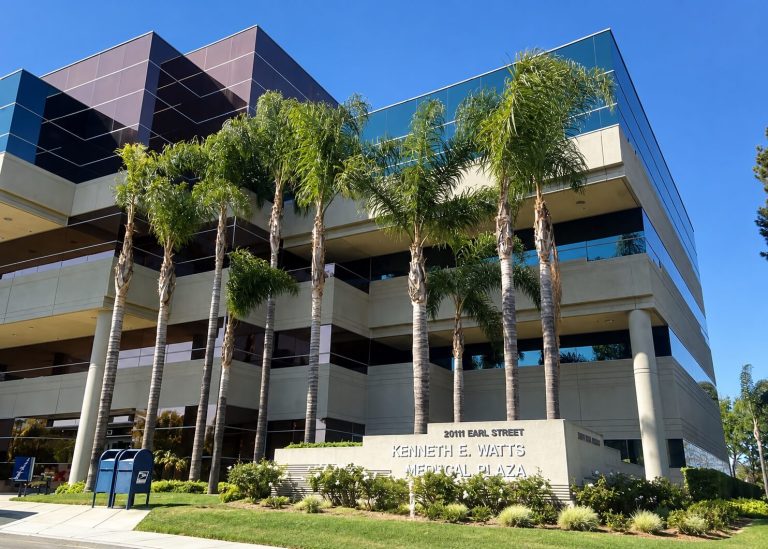
Torrance – Earl St.
Golden State Dermatology
20911 Earl St. Suite 310
Torrance, CA 90503
Torrance – Pacific Coast Highway
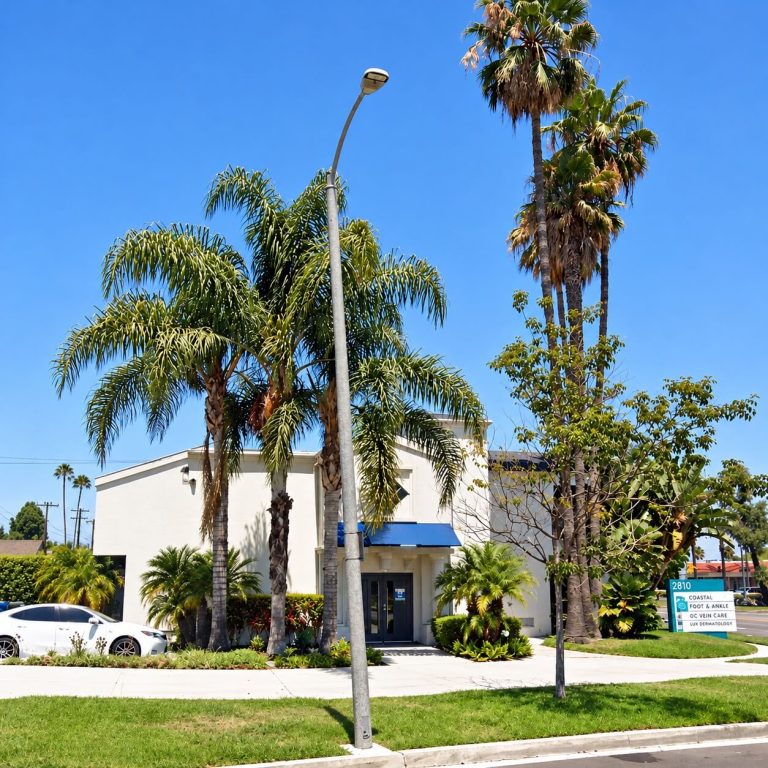
Moy, Fincher, Chipps Facial Plastics & Dermatology
2802 Pacific Coast Highway
Torrance, CA 90505

Walnut Creek – Mohs Surgery
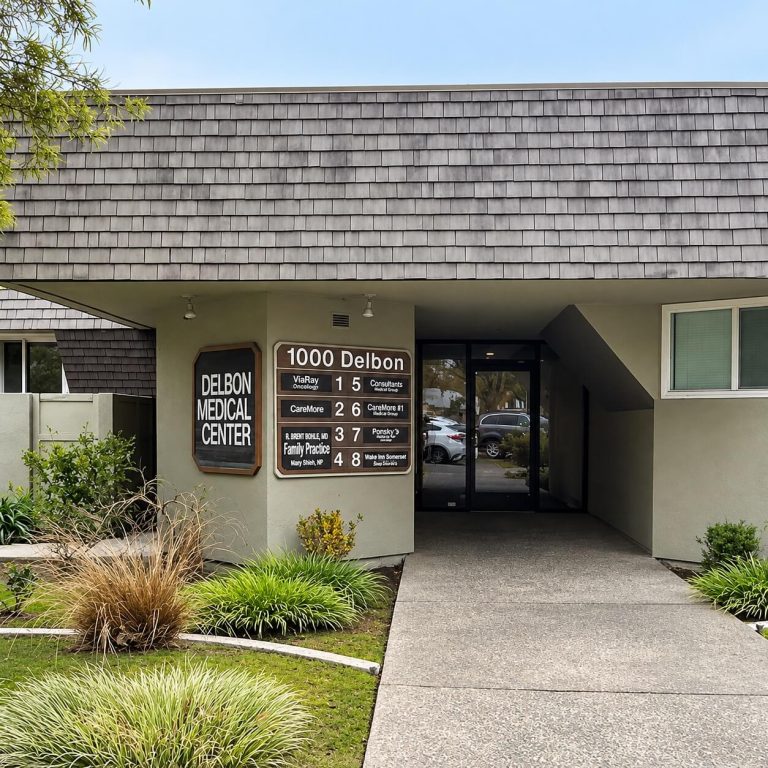
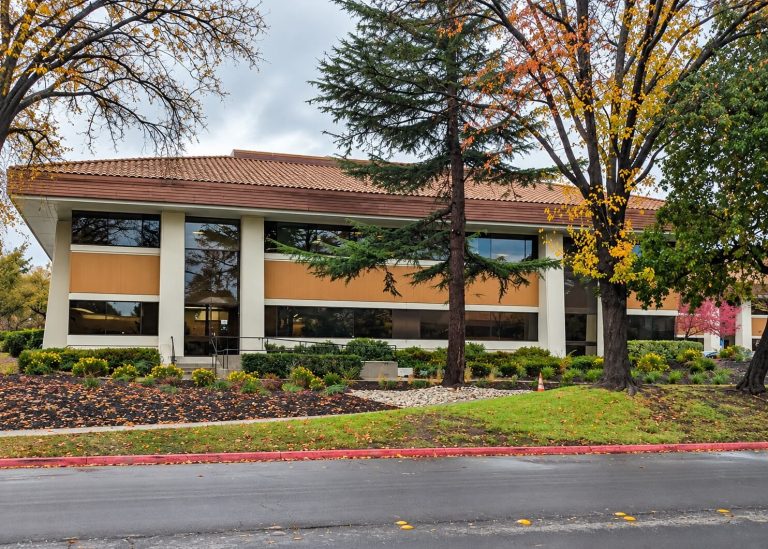
Golden State Mohs Surgery Center
355 Lennon Lane, Ste. 255
Walnut Creek, CA 94598