

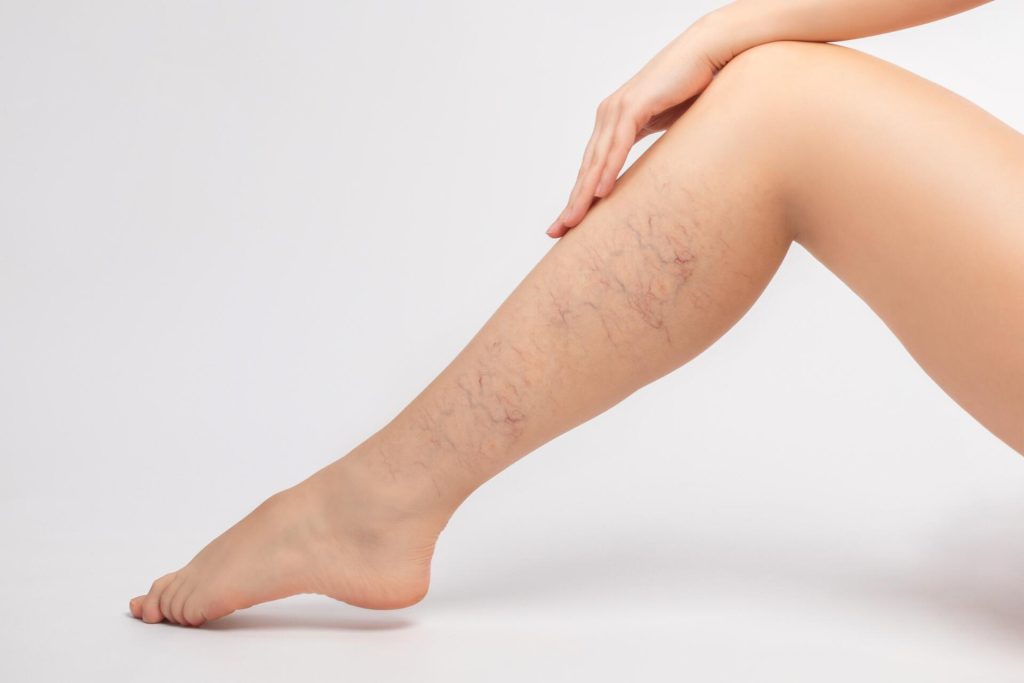
Many people think of varicose veins as a cosmetic annoyance, something to cover with longer pants and worry about later. The trouble with this is that varicose veins are progressive, which means they tend to get worse the longer they go unaddressed.
If you have been putting off treatment, it’s important to know what untreated veins can do over time. Keep reading to learn what happens when varicose veins are left alone and why the best time to act is sooner rather than later!
What Are Varicose Veins?
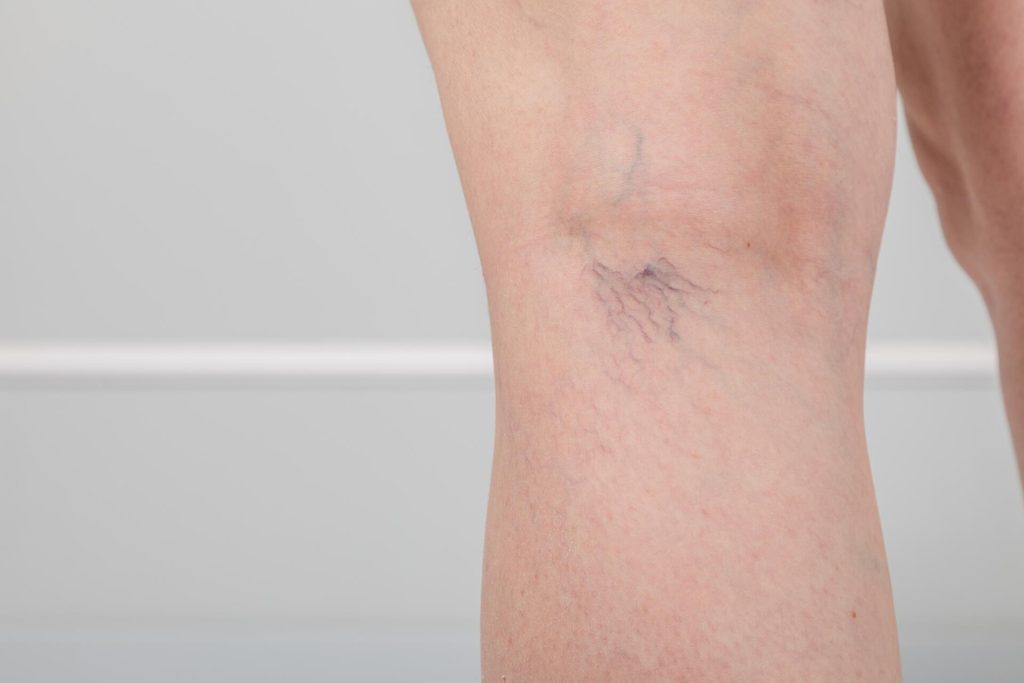
Varicose veins are enlarged, twisting veins that often appear blue or purple and bulge out from the surface of the skin. They show up most commonly in the legs, where the veins have to work hardest to move blood back up toward the heart.
The root cause is usually a problem with the tiny valves inside your veins. When these valves weaken or fail, blood pools instead of flowing upward, and the pressure causes the vein to stretch and bulge. Unfortunately, this is not a temporary problem. Once a valve stops working properly, it does not repair itself, which is why the veins continue to change over time.
Do Varicose Veins Go Away on Their Own?
This is one of the most common questions patients ask, and the answer is no. Varicose veins do not resolve without treatment. Because the underlying valve problem is structural, the condition does not stay the same, and it certainly does not improve on its own. Left alone, varicose veins follow a predictable pattern of slow but steady progression.
What Happens If You Leave Varicose Veins Untreated?
The reason early treatment matters so much is that untreated veins rarely hold steady. What starts as a cosmetic concern can gradually turn into a medical one as the years pass.
Worsening Aches and Heaviness
In the early stages, many people notice a dull aching or a feeling of heaviness in the legs, especially at the end of a long day. These symptoms tend to intensify over time as more blood pools in the affected veins. Standing or sitting for long stretches often makes the discomfort worse. What once felt like mild tiredness can develop into throbbing, cramping, or restless legs at night.
Swelling and Skin Changes
As pressure in the veins builds, fluid can leak into the surrounding tissue and cause swelling in the legs and ankles. Over time, the skin around the affected veins can change in both color and texture. Many patients develop a brownish or reddish discoloration near the ankles, and the skin may become dry, itchy, or hardened.
Venous Ulcers and Other Serious Complications
When poor circulation continues for years, the skin can break down and form venous ulcers, which are slow-healing open wounds that usually appear near the ankle. These ulcers can be painful, prone to infection, and frustratingly difficult to treat once they develop.
Bulging veins that sit close to the surface can also bleed heavily if they are bumped or scratched. In some cases, untreated varicose veins are associated with a higher risk of blood clots, which is a medical issue that should never be ignored.
Dr. Malvehy, a board-certified dermatologist at Golden State Dermatology, explains why he encourages patients not to wait:
“Varicose veins only get worse over time. They never stay the same, and they never get better on their own. I tell my patients that the best time to treat varicose veins is five years ago, and the second best time is now. The earlier we address the problem, the more we can do to prevent the swelling, skin changes, and complications that come with years of untreated disease.

Why the Best Time to Treat Is Now
The progressive nature of varicose veins is exactly why timing matters so much. Treating veins early, while they are smaller and the skin is still healthy, is almost always simpler and more effective than waiting until complications set in.
Dr. Malvehy often shares a story that illustrates this point clearly:
“I have seen patients come in years ago for bulging veins, defer the treatment we recommended, and then go through a pregnancy that made everything worse. In a situation like that, the legs could have looked perfectly normal today if the veins had been treated when they first appeared, and a lot of the discomfort during pregnancy could have been avoided. That is the hardest part for me as a provider, knowing how much suffering earlier care could have prevented. It is a pattern I see often, and it is exactly why I encourage people not to wait.”
The discomfort and complications of advanced varicose veins are often preventable when the problem is addressed early.
What Are My Treatment Options?
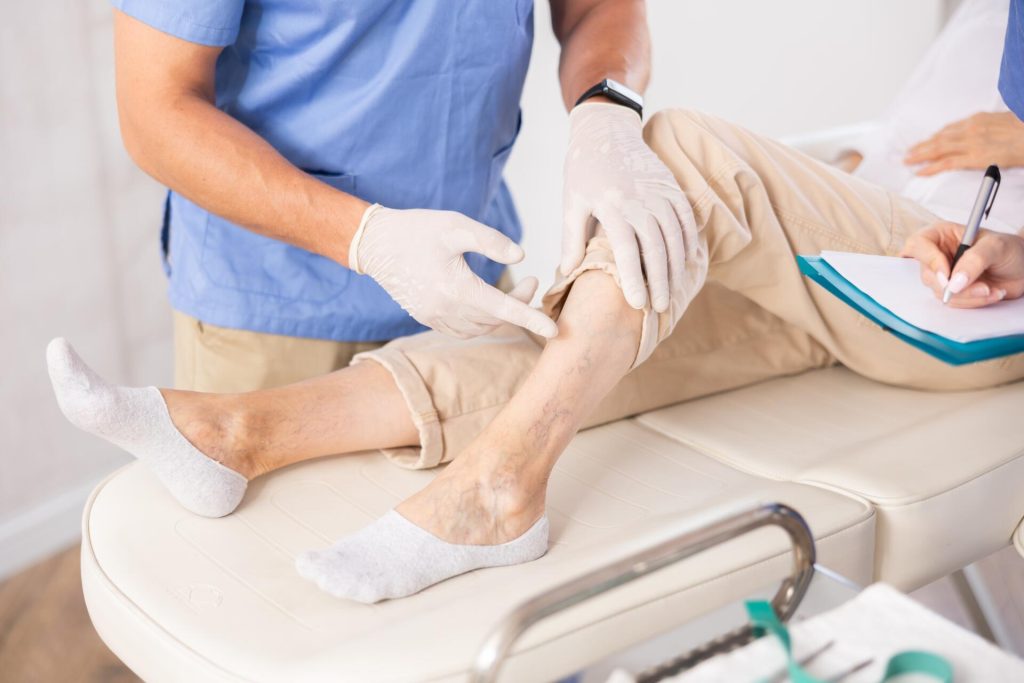
Modern vein treatment looks nothing like the surgery many people imagine. Most varicose veins can now be treated with minimally invasive procedures that require little to no downtime.
These treatments work by closing off the faulty vein so that blood naturally reroutes through healthier veins nearby. Depending on your situation, your provider may recommend approaches such as sclerotherapy or vein ablation, both of which are typically performed in the office.
A consultation is the best way to find out which option fits your needs. Your provider at Golden State Dermatology can evaluate your veins, discuss your symptoms, and build a plan that addresses both the appearance and the underlying cause.
Don’t Wait for Your Veins to Get Worse
Varicose veins are not a problem that improves with patience. Every year they go untreated is another year the underlying condition has to progress, often bringing more discomfort, more visible changes, and a higher risk of complications.
Effective, low-impact treatment is available, and acting sooner almost always means an easier path and a better outcome. If your veins have been bothering you, there is no benefit to waiting for them to get worse.
If you have questions about your skin, schedule an appointment at Golden State Dermatology today!