Hearing that a mole looks “atypical” or has dysplasia can stop you in your tracks. Although it may sound alarming, dysplasia is not cancer, and in many cases, it’s a sign that your skin check did exactly what it was supposed to do.
Keep reading to understand what dysplasia actually means, how it’s identified, and what comes next.
What Does It Mean When a Mole Has Dysplasia?
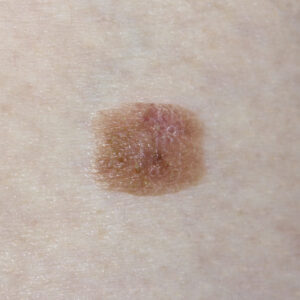
A dysplastic mole, also called an atypical mole, is one in which the cells look slightly unusual under a microscope but haven’t crossed the line into skin cancer. Think of it as a middle ground: the mole isn’t completely normal, but it isn’t melanoma either.
Atypical moles tend to be larger than a pencil eraser, with uneven borders, multiple shades of brown or pink, and an irregular shape. They can appear anywhere on the body, even in areas that rarely see the sun.
Having one or two dysplastic moles is actually fairly common. What matters most is how they’re graded and whether they need any additional treatment.
How Are Dysplastic Moles Discovered?
The process starts when a dermatologist spots a mole that looks concerning during a skin exam, either because of its appearance or because it has changed since a previous visit. A biopsy is then performed, which means the mole (or a portion of it) is removed and sent to a pathologist who studies the tissue under a microscope.
The pathologist’s report is what confirms whether dysplasia is present and, if so, how significant it is. Results typically come back within one to two weeks, at which point your dermatologist will review the findings with you and talk through the appropriate next steps.
Tina Kinsley, MD, a board-certified dermatologist at Golden State Dermatology in Carmel, walks patients through what to expect:
“A biopsy is a straightforward outpatient procedure, and most patients are surprised by how quick and comfortable it is. The real value is in what the pathology report tells us — it gives us a precise picture of what’s happening at the cellular level, which means we can make informed decisions about your care rather than guessing. Getting that information early is always better than waiting to see what happens.”

The Degrees of Dysplasia
Not all dysplasia is the same. Pathologists grade atypical moles on a spectrum based on how abnormal the cells appear.
Mild dysplasia means the cells look only slightly irregular. This grade carries a low risk of progressing to anything more serious, and in many cases, no further treatment is needed as long as the edges of the removed sample came back clear.
Moderate dysplasia sits in the middle of the spectrum. Depending on whether the margins are clear and other individual factors, your dermatologist may recommend removing a bit more tissue around the original site, just to be thorough.
Severe dysplasia involves more pronounced cell changes and is more likely to warrant re-excision. Some pathologists and clinicians treat severe dysplasia with extra caution because it more closely resembles the early stages of melanoma, even though it isn’t melanoma itself.
Your provider at Golden State Dermatology will clearly explain what your specific grade means and why a particular course of action is recommended.
Next Steps After a Dysplasia Diagnosis

What happens after a dysplasia diagnosis depends largely on the grade and on whether the biopsy achieved what’s called “clear margins,” which means no abnormal cells were found at the edges of the removed tissue.
When margins are clear and the dysplasia is mild, a period of watchful waiting and regular monitoring is often all that’s needed. Your dermatologist will note the site and keep a close eye on the surrounding skin at follow-up visits.
When margins aren’t clear, or when dysplasia is moderate to severe, a re-excision is typically recommended. This is a minor in-office procedure where a small additional ring of tissue is removed from around the original biopsy site. The goal is to ensure no atypical cells are left behind. It’s a straightforward step, and most patients find it far less daunting once they understand the reasoning behind it.
Does Having a Dysplastic Mole Mean You’ll Get Melanoma?
This is one of the most common questions that comes up after a dysplasia diagnosis, and the answer is no, a dysplastic mole is not melanoma, and having one does not mean melanoma is inevitable. That said, people who have multiple atypical moles do have a higher-than-average lifetime risk of developing melanoma, so ongoing monitoring is genuinely important.
The key takeaway is that dysplasia is a warning flag. It signals that your skin deserves closer attention going forward, like more frequent check-ups, diligent sun protection, and a habit of watching for any new or changing spots between visits.
Destiny Martin, a physician assistant at Golden State Dermatology in Sacramento, puts it plainly:
“Finding dysplasia on a biopsy is actually a really valuable piece of information. It tells us your skin has some tendency toward atypical cell development, which means we can be proactive about monitoring you more closely. Patients who come in regularly for full-body skin checks are the ones where we catch things early — and early is always the best time to address anything that needs attention. A dysplasia diagnosis isn’t something to panic about, but it is a good reason to stay consistent with your dermatology care.”

Annual full-body skin exams are a standard recommendation for anyone with a history of dysplastic moles. Depending on how many atypical moles you have and your personal or family history, your dermatologist may suggest coming in more frequently; every three to six months is not unusual for higher-risk patients.
If you have questions about your skin, schedule an appointment at Golden State Dermatology today!