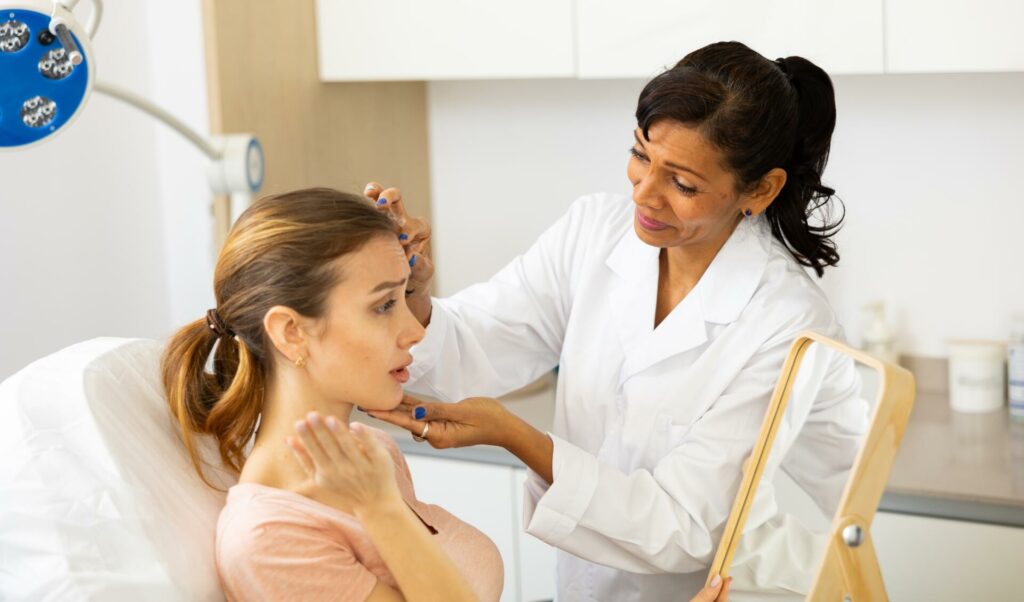
When your dermatologist removes a small sample of skin for testing, that tiny piece of tissue begins a carefully planned journey. While a biopsy may feel like the end of your appointment, it is really the beginning of a precise diagnostic process. Keep reading to learn exactly what happens to your sample once it leaves the exam room and arrives at Golden State Dermatopathology.
What Is a Skin Biopsy and Why Is It Sent to a Lab?
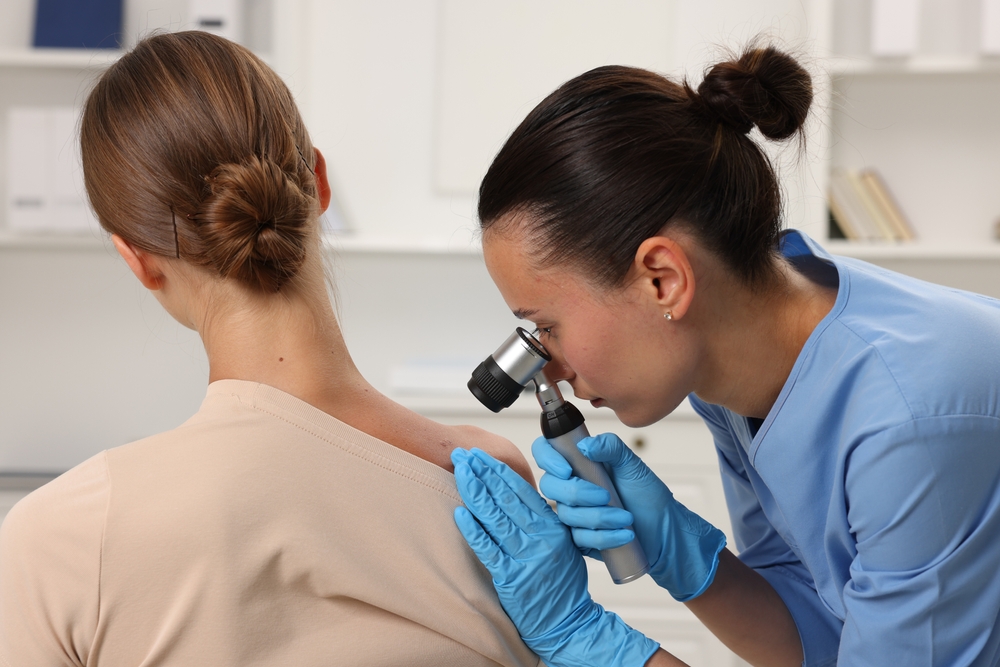
A skin biopsy is a small sample of tissue taken so that it can be examined closely under a microscope. Some skin conditions simply cannot be identified with certainty through a visual exam alone, which is why the sample is sent to a specialized lab.
At Golden State Dermatopathology, that microscopic examination turns a tiny tissue sample into valuable diagnostic information. This process reveals what is actually happening beneath the surface of the skin, helping your provider choose the most appropriate treatment.
Primary tissue diagnosis becomes especially important for inflammatory skin diseases, unusual growths, moles or pigmented spots, and conditions that look similar to one another. In these situations, looking at the tissue itself provides answers that the naked eye cannot.
How Does My Sample Get to Golden State Dermatopathology?
After your biopsy is collected, your sample is carefully preserved and prepared for transport. Tissue specimens are typically sealed in a preservative that keeps the cells stable and protected during the trip to the lab.
From there, the sealed specimen travels by courier to the Golden State Dermatopathology laboratory in Walnut Creek, California. Every case that arrives is logged and tracked, so your sample is accounted for at each step of the way.
This attention to handling matters a lot, as proper preservation and tracking ensure that the tissue arriving at the lab is in the best possible condition for an accurate diagnosis.
What Happens When the Tissue Arrives?
Once your sample reaches the lab, it undergoes specialized processing designed to prepare it for microscopic examination. This careful preparation preserves the cellular details that the dermatopathologist needs to make an accurate diagnosis. The tissue is sectioned using precise techniques that create extremely thin slices, which work well under the microscope. These sections then receive standard H&E staining, a process that highlights cellular nuclei in blue and cytoplasm in pink.
That color contrast allows the dermatopathologist to clearly distinguish different structures within the tissue and spot the features that lead to a diagnosis.
Many patients are surprised by how much skill goes into this preparation stage. The quality of these initial steps has a direct effect on how clearly the tissue can be read later.
Dr. Emily Green, Lab Director at Golden State Dermatopathology, explains the importance of this stage:

“People often picture the lab as a place where a sample is simply glanced at, but the preparation work is genuinely meticulous. Every section must be cut thin enough and stained correctly so that the cellular detail comes through clearly under the microscope. When this groundwork is done well, it gives us the clearest possible window into what is happening in the tissue. That clarity is what allows us to deliver a confident, accurate diagnosis for each patient.”
How Does a Dermatopathologist Examine My Biopsy?
With your stained sections ready, a dermatopathologist will start the evaluation. The tissue is studied at different levels of magnification to identify the important diagnostic features hidden within it. Golden State Dermatopathology follows a systematic approach to ensure accuracy. The dermatopathologist examines the tissue and correlates the microscopic findings with your clinical information, including your medical history, physical exam findings, and symptoms. This ensures the final diagnosis reflects both what the tissue shows and your overall clinical picture.
Every case submitted to the lab is seen by an experienced dermatopathologist. Patients also benefit from the fact that referring physicians can consult directly with these specialists, which supports better treatment decisions.
What If My Case Needs Additional Testing?
Most biopsies can be diagnosed with standard preparation and microscopic examination, but some cases call for advanced testing to reach a definitive answer. Golden State Dermatopathology offers several specialized tools for these situations.
Immunohistochemistry reveals specific cellular markers that help distinguish between conditions looking very similar under the microscope. Histochemical stains uncover details routine staining cannot detect, such as pathogens, which is especially helpful for identifying infections.
When microscopic examination reaches its limits, molecular testing analyzes genetic material to identify the characteristics that define specific diseases. FISH testing, and molecular genetics can detect genetic abnormalities that standard microscopy cannot see, often confirming whether a lesion is benign or malignant.
Dr. Timothy McCalmont, Consultant Pathologist at Golden State Dermatopathology, describes how these tools fit together:
“Advanced testing is reserved for the cases that genuinely need it, and that is exactly the point. When two conditions look nearly identical under the microscope, a marker study or a molecular test can be the deciding factor between a benign diagnosis and one that requires prompt treatment. These tools give us objective evidence rather than guesswork. For patients, that means the diagnosis they receive is as precise and reliable as modern medicine allows.”

How Long Until My Results Are Ready?

One of the most common questions patients have is simply how long they will need to wait. At Golden State Dermatopathology, the typical turnaround time is one to two days after the specimen reaches the lab, which helps reduce the anxiety that often comes with waiting.
Once the diagnosis is complete, the dermatopathologist prepares a detailed report. This report offers valuable insights into the condition, what to expect for recovery, and how well treatments might work. The results are then shared with the provider who ordered your biopsy, often transferred automatically into your patient chart or a secure client portal. Your provider will review the findings with you and discuss the next steps in your care.
The Path from Biopsy to Diagnosis
Your biopsy may be small, but it follows a thoughtful, carefully managed path from the exam room to a final diagnosis. From preservation and transport to processing, staining, expert microscopic review, and advanced testing when needed, every step is designed to protect the quality of your sample and the accuracy of your results. Behind every report is a team of dedicated dermatopathologists working to give you and your provider clear, dependable answers.
If you have questions about your skin, schedule an appointment at Golden State Dermatology today!