

Dermatology
Atypical Nevi
What Are Atypical Nevi?
Atypical nevi, also called dysplastic nevi, are benign moles that have an atypical appearance clinically and microscopically. Clinically, dysplastic nevi may be asymmetric, have irregular borders, or have irregular color. They are usually flat and larger than normal moles. Atypical nevi occur most commonly on the sun-exposed areas of the back, chest, abdomen, and extremities. They may also occur on normally unexposed areas such as the buttock, groin, or female breasts.

Medical reports indicate that at least 20 million Caucasians in the U.S. have atypical nevi. While benign, dysplastic nevi may serve as identification markers for patients who are at an increased risk for developing melanoma. The lifetime risk of a person in the U.S. developing melanoma is 1 in 75. A patient with a single atypical nevus and no personal or close family history of melanoma is at a slightly greater risk of developing melanoma than the general population. However, a patient with multiple atypical nevi and a personal or family history of melanoma are at a significantly greater risk of developing melanoma and may meet the criteria for Familial Atypical Mole Syndrome.
The National Institute of Health Consensus Conference has defined Familial Atypical Mole Syndrome as those patients with the following criteria:
- A first-degree (e.g., parent or child) or second-degree (e.g., grandparent, grandchild, aunt or uncle) relative with a melanoma.
- A large number of nevi, often more than 50, some of which are atypical.
- Nevi which have atypical or dysplastic changes microscopically.
A patient with Familial Atypical Mole Syndrome is at a significantly greater risk of developing melanoma. Both the number of nevi and the number of family members with melanoma independently affect the risk of developing melanoma.
Patients with multiple atypical nevi should examine their own skin on a monthly basis, and should have a thorough head to toe examination by a dermatologist at least annually. Photographs are sometimes taken to monitor the appearance of dysplastic nevi. Any mole that undergoes a significant change in size, shape, or color or develops symptoms of itching or burning should be suspected of being a melanoma and should promptly be evaluated by a dermatologist.
Provided at These Locations
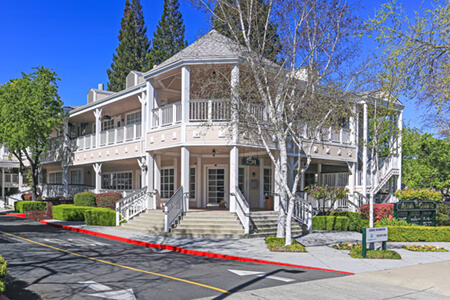
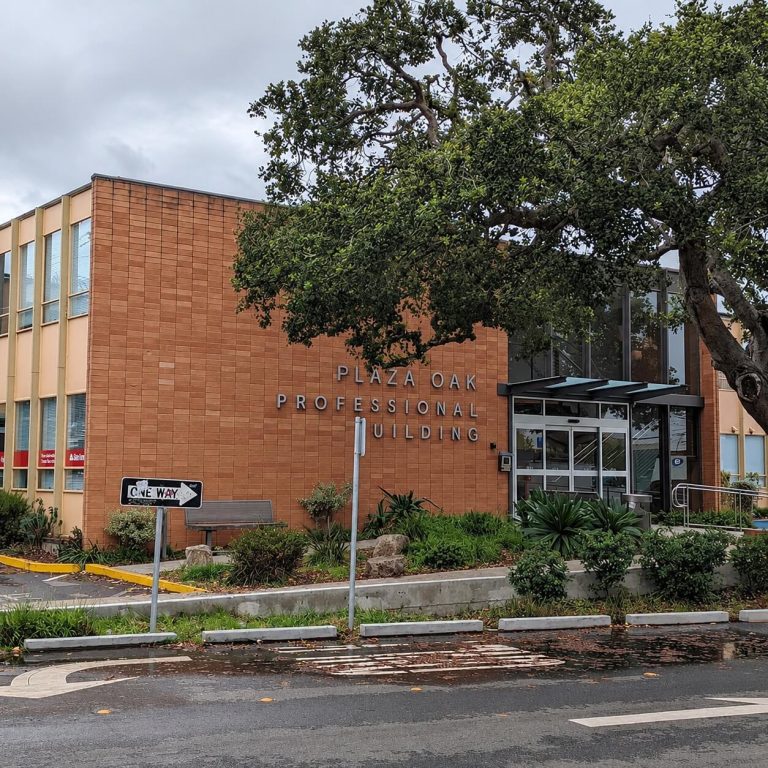
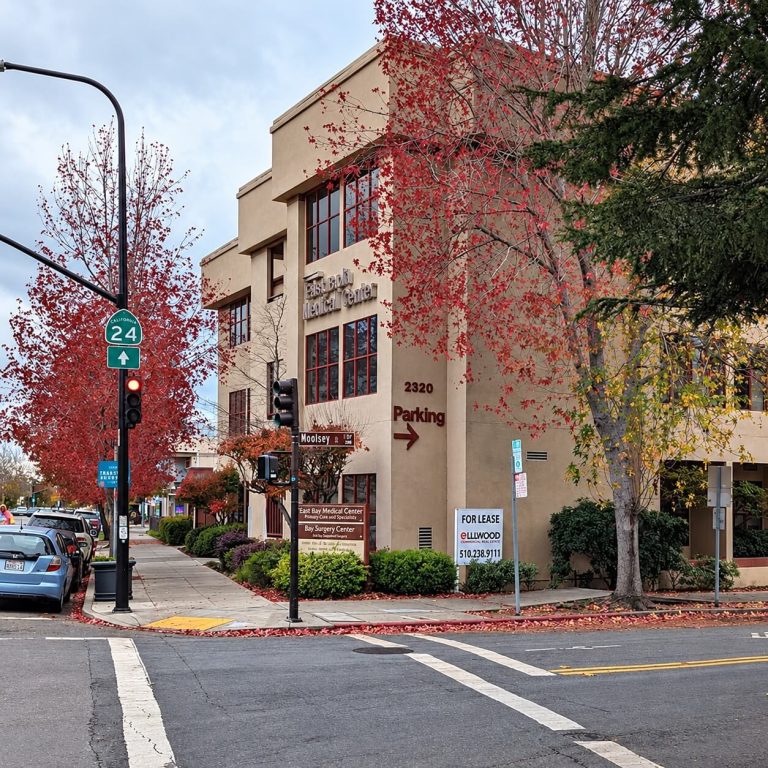
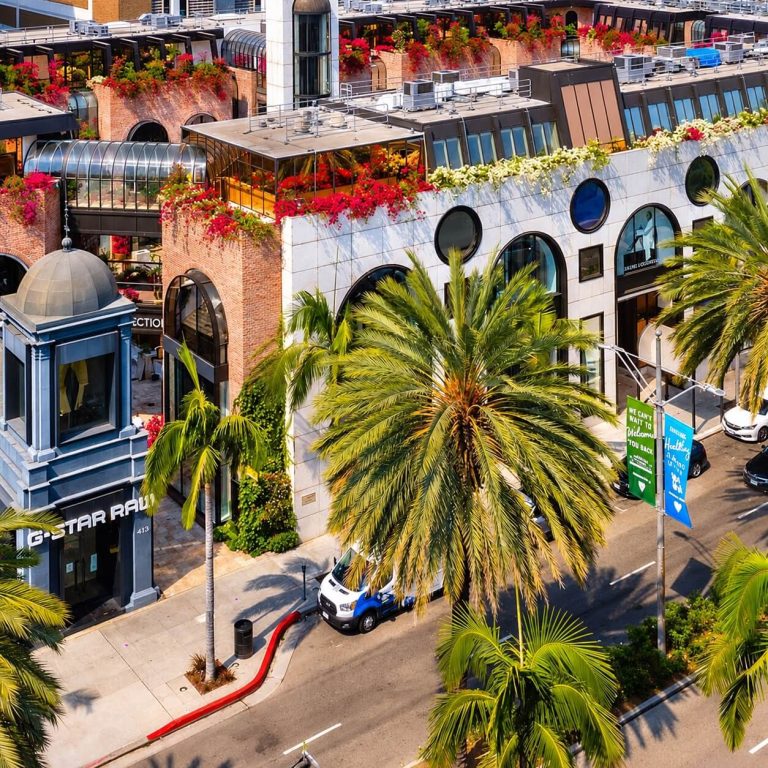
Beverly Hills
Moy, Fincher, Chipps Facial Plastics & Dermatology
421 N. Rodeo Drive, 2nd Floor
Beverly Hills, California 90210
Encino
Moy, Fincher, Chipps Facial Plastics & Dermatology
5400 Balboa Blvd, Suite 220
Encino, CA 91436
Mountain View
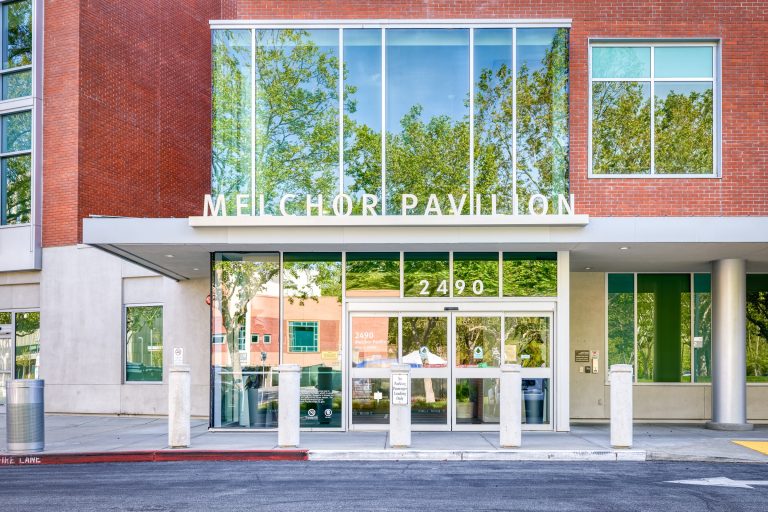
The Menkes Clinic
Melchor Pavilion 2490 Hospital Drive, Suite 201
Mountain View, CA 94040
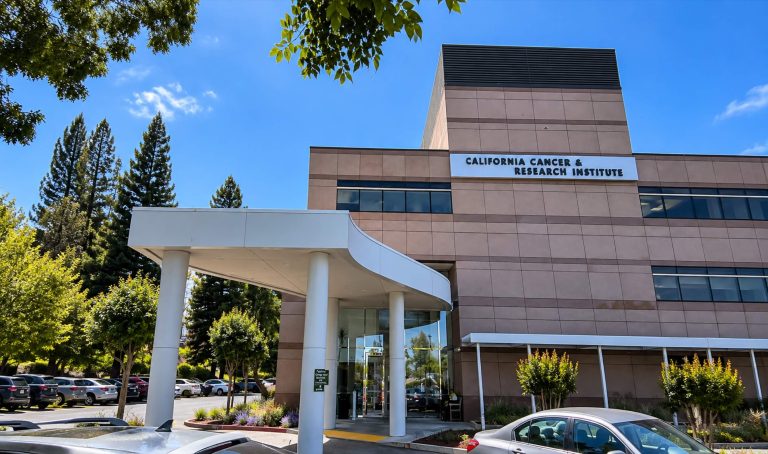
Pleasant Hill
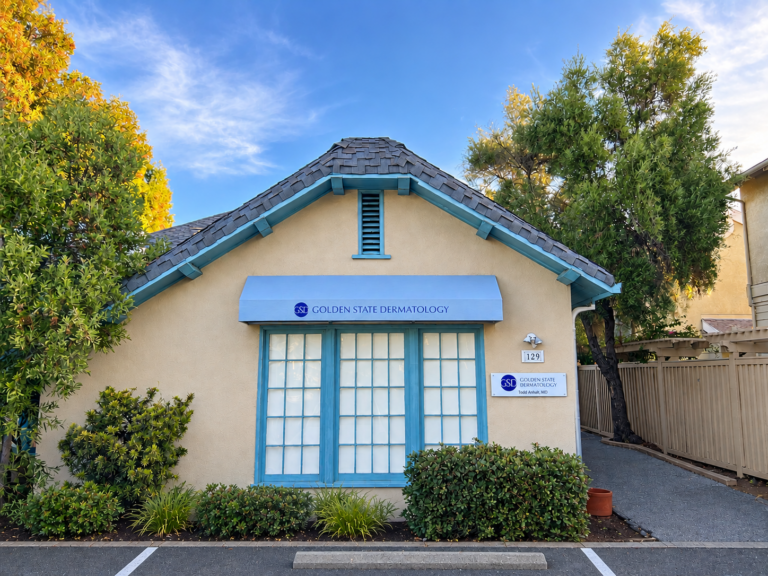
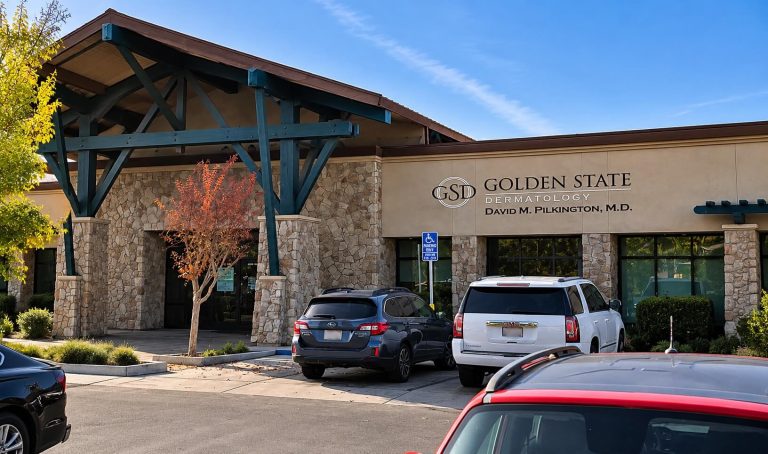
Golden State Dermatology
400 Taylor Boulevard,
Ste. 301
Pleasant Hill, CA 94523
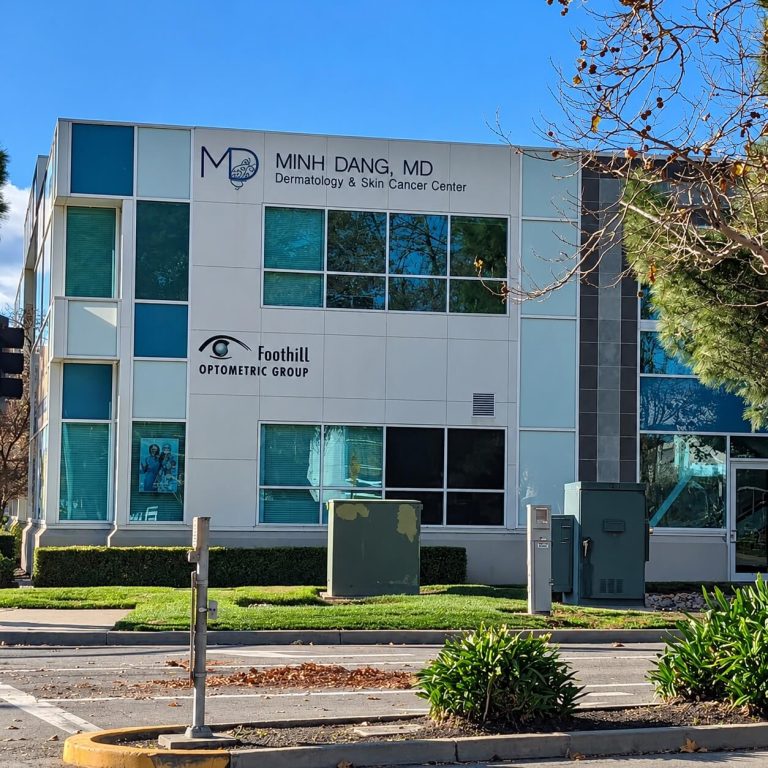
Pleasanton
Golden State Dermatology
6155 Stoneridge Drive
Suite 150
Pleasanton, CA 94588
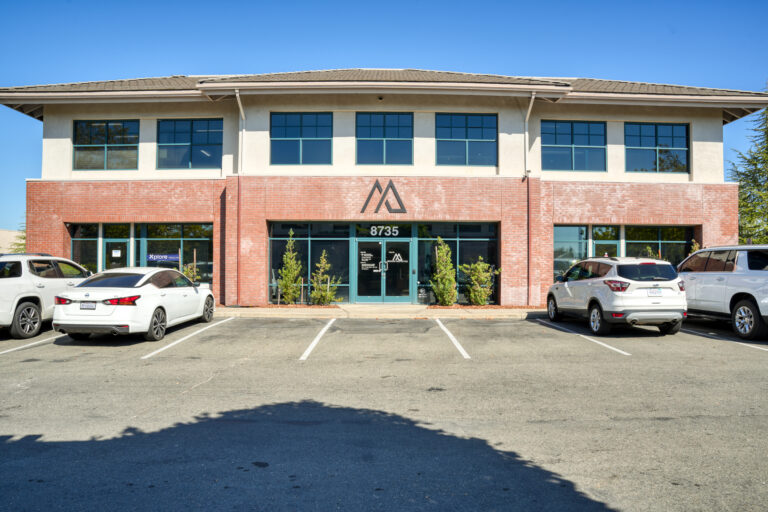
Roseville
Golden State Dermatology
8735 Sierra College Blvd., Suite 200
Roseville, CA 95661
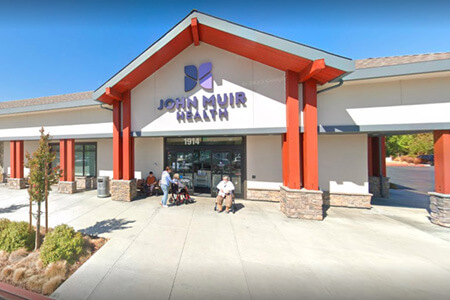
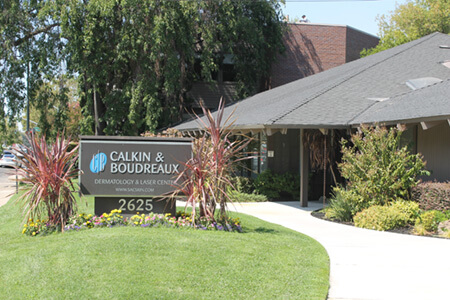
Sacramento – Fair Oaks
Calkin & Boudreaux Dermatology Associates
2625 Fair Oaks Blvd
Ste. 1 & Ste. 4
Sacramento, CA 95864
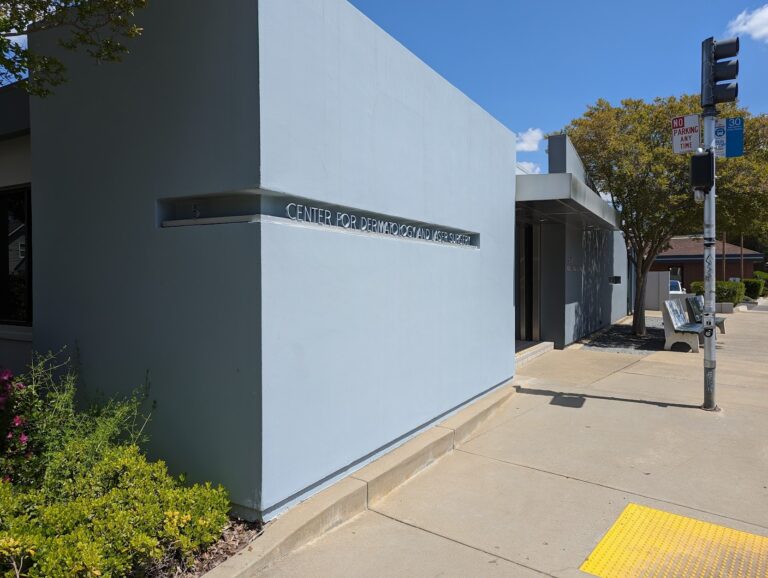
Sacramento – J Street
Center for Dermatology & Laser Surgery
5601 J Street
Sacramento, CA 95819
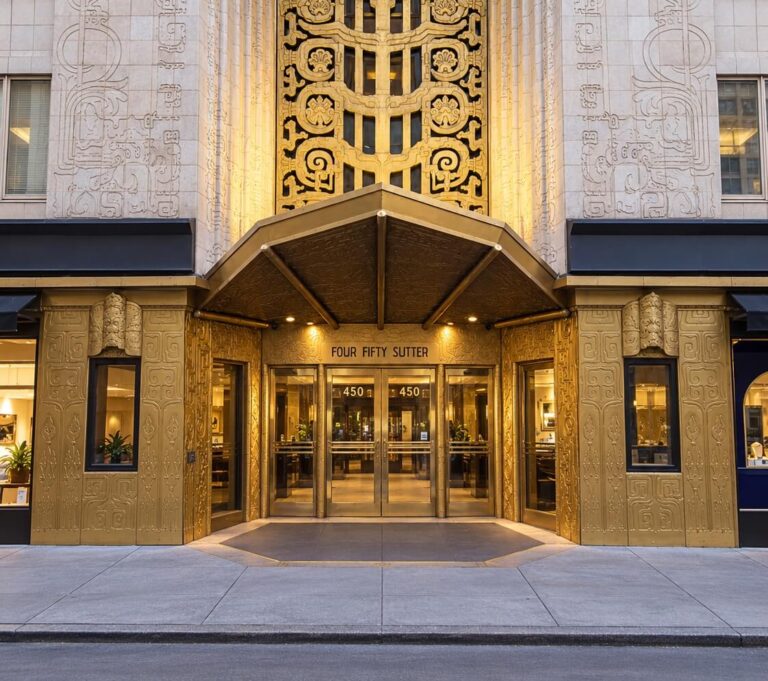
San Francisco – Cosmetic & General Dermatology
Golden State Dermatology
450 Sutter Street, Suite 1426
San Francisco, CA 94108
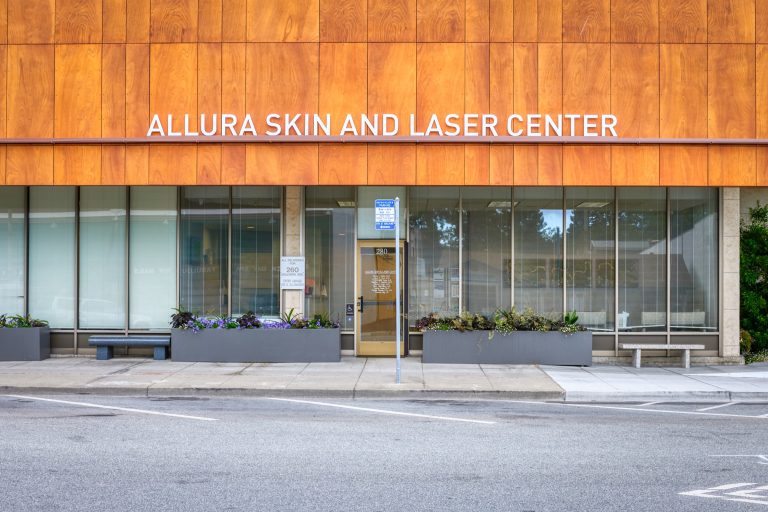
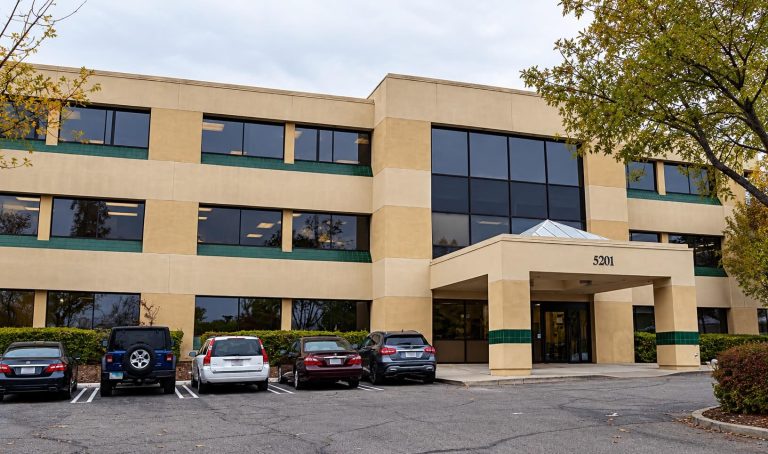
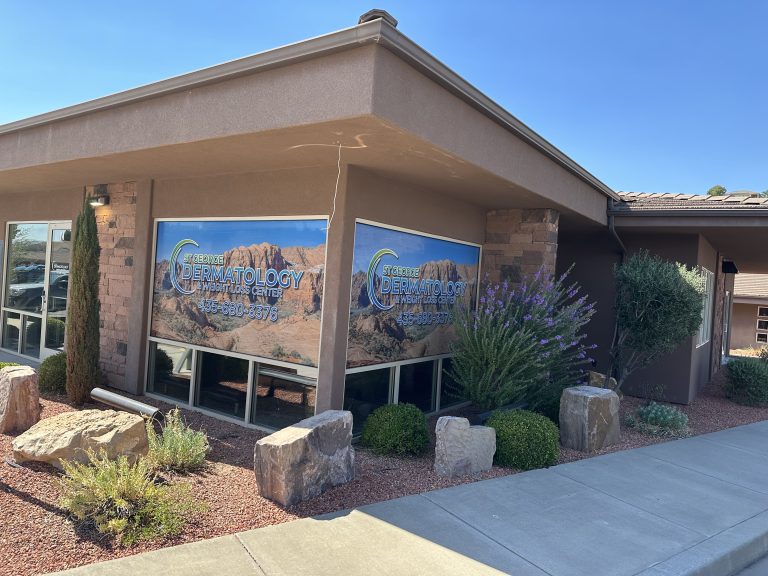
St. George
St. George Dermatology
Ventana Medical Park
230 North 1680 East, Suite N
St. George, UT 84790
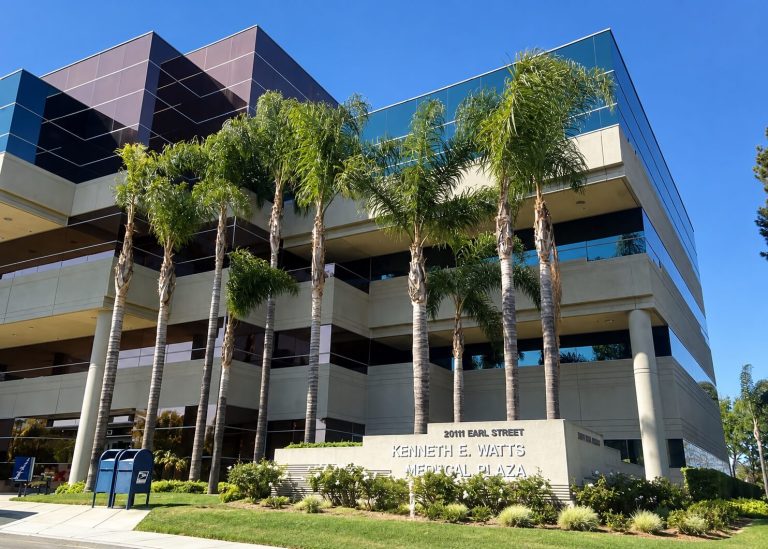
Torrance – Earl St.
Golden State Dermatology
20911 Earl St. Suite 310
Torrance, CA 90503
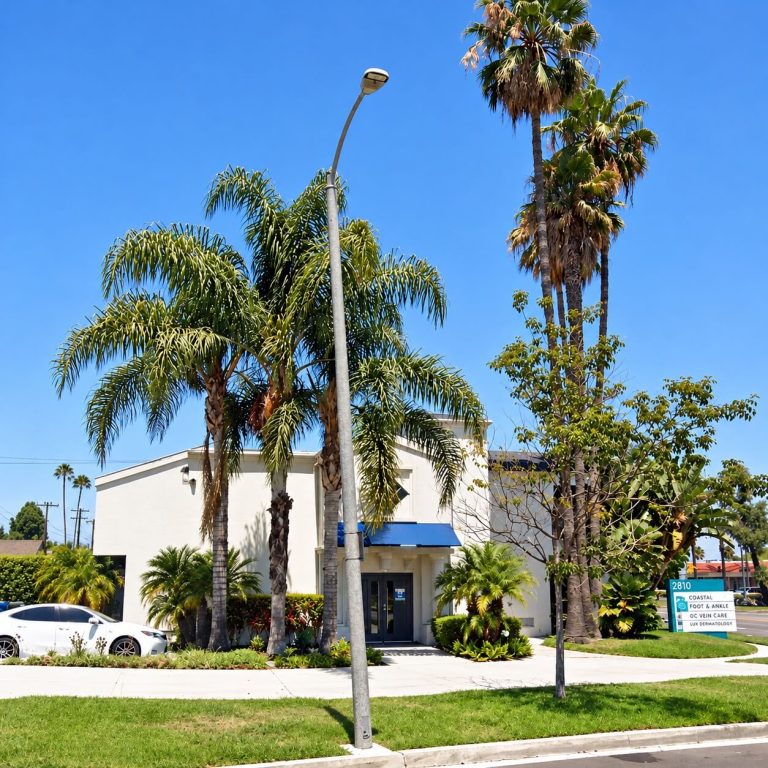
Torrance – Pacific Coast Highway
Moy, Fincher, Chipps Facial Plastics & Dermatology
2802 Pacific Coast Highway
Torrance, CA 90505

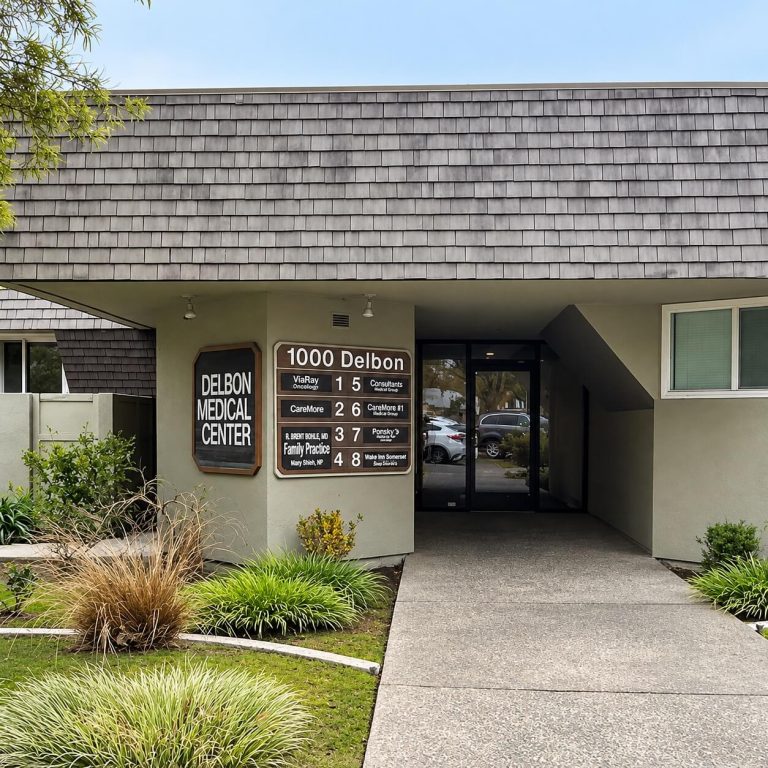
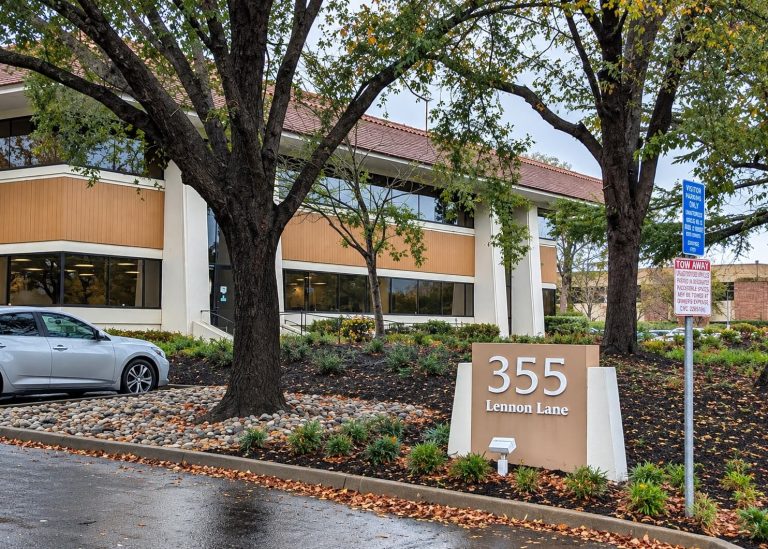
Walnut Creek – General Dermatology
Golden State Dermatology
355 Lennon Lane, Suite 295
Walnut Creek, CA 94598
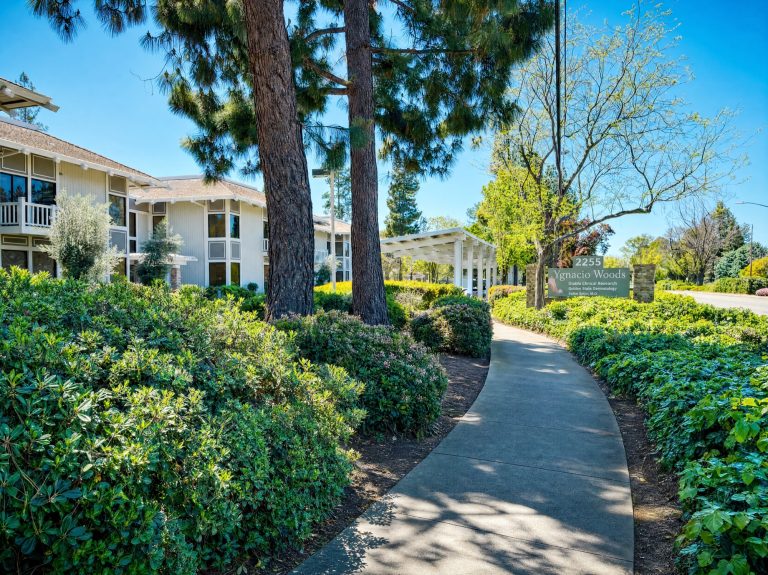
Walnut Creek – Ygnacio Valley
Golden State Dermatology
2255 Ygnacio Valley Road, Ste. B-1
Walnut Creek, CA 94598