Sweating is a normal, healthy function. It’s how the body keeps itself cool when temperatures rise or during physical activity.
For some people, though, sweating goes well beyond what the body actually needs, and it tends to show up in the same spots every time.
This pattern has a name: hyperhidrosis. Keep reading to learn why it happens, which areas it tends to target, and what can be done about it.
What Is Hyperhidrosis?
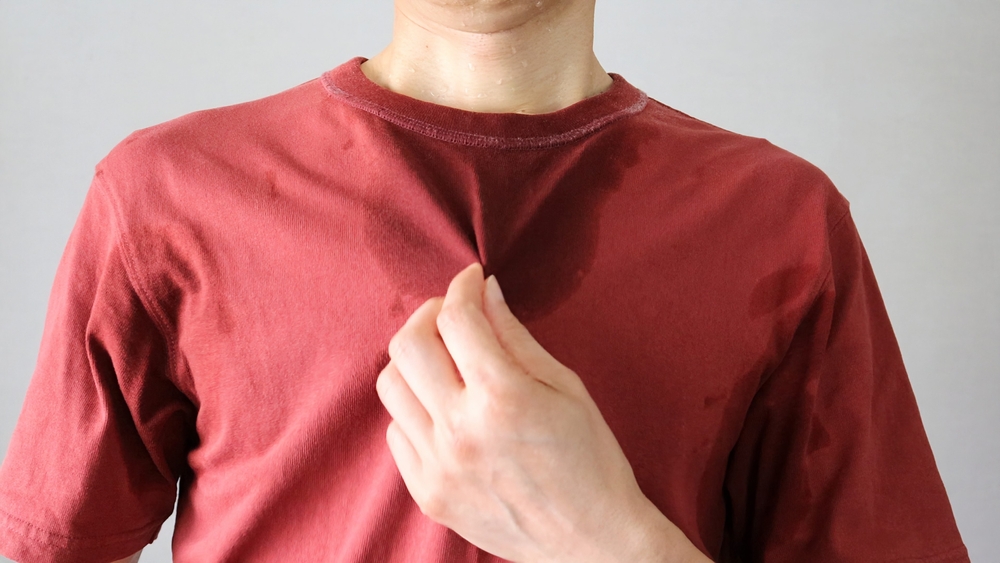
Hyperhidrosis is a condition where the body produces far more sweat than is needed to regulate temperature. It can happen at rest, in cool environments, and even during sleep, without any obvious trigger.
There are two main forms. Primary hyperhidrosis develops on its own, usually starting in childhood or adolescence, and tends to run in families. Secondary hyperhidrosis is caused by an underlying factor such as a health condition, hormonal changes, or certain medications, and it often causes sweating across larger or more unusual areas of the body.
Primary hyperhidrosis is the more common of the two and is what most people are referring to when they describe sweating excessively in specific spots. It does not point to a serious illness, but it can significantly affect comfort and confidence.
Why Does Hyperhidrosis Affect Specific Areas of the Body?
The body has millions of sweat glands, but they are not distributed evenly. Certain areas, like the underarms, palms, soles of the feet, and face, have a much higher concentration of a particular type of sweat gland called eccrine glands. These are the glands responsible for regulating body temperature.
In primary hyperhidrosis, the nerves that control these glands become overactive, sending sweat signals even when there is no heat or exertion to respond to. Because the gland density is highest in those specific zones, that is precisely where the excess sweating tends to appear. This is why someone might have completely dry skin elsewhere on their body while their hands are dripping.
Elisa Kang, NP, a certified nurse practitioner at Golden State Dermatology in San Mateo, offers some context on why this pattern develops the way it does:

“Primary hyperhidrosis is what we call a ‘focal’ condition, meaning it targets defined areas rather than the whole body. The overactivity happens in the part of the nervous system that controls sweat glands, and because those glands are especially dense in places like the palms and underarms, that’s where patients feel it most. It’s not a reflection of poor hygiene or anxiety — it’s a physiological response that the person genuinely cannot control without treatment.”
Common Areas Affected by Focal Hyperhidrosis
Primary hyperhidrosis almost always targets one or more of the following areas:
Underarms (Axillary)
Underarm sweating is one of the most frequently reported patterns. It can soak through clothing quickly and often causes significant social discomfort.
Hands (Palmar)
Sweaty palms can interfere with everyday tasks — writing, typing, shaking hands, or gripping objects — and tend to worsen with stress or focus.
Feet (Plantar)
Excess foot sweating often leads to persistent dampness inside shoes, which can cause odor, skin irritation, and discomfort throughout the day.
Face and Scalp (Craniofacial)
This pattern tends to be particularly visible and can be triggered by eating, heat, or mild stress. It may affect the forehead, cheeks, or scalp.
Chest and Back (Truncal)
Less common than the other focal types, truncal sweating tends to appear in younger patients and can be harder to manage with standard approaches.
Many people experience more than one of these areas simultaneously. A dermatologist can help assess the full picture and identify the most effective treatment approach based on which areas are involved.
When Should You See a Dermatologist About Excessive Sweating?
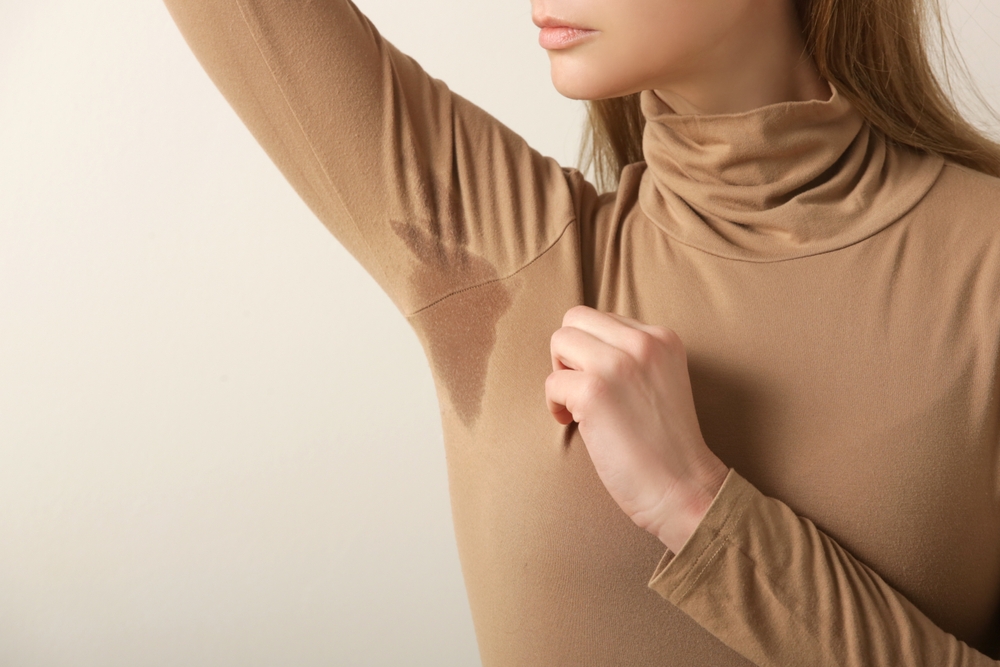
Normal sweating responds to heat, exercise, and stress, and it settles down once those triggers pass. Hyperhidrosis does not follow that logic. Sweat arrives unpredictably, lingers, and often feels disproportionate to whatever is happening at the time.
A few signs that a dermatologist visit is worth considering: sweating that soaks through clothing or drips from the hands without physical exertion, symptoms that have persisted for six months or more, a noticeable impact on daily activities or social interactions, or sweating that began suddenly in adulthood without a clear cause.
Kim Rufkahr, RN, a registered nurse at Golden State Dermatology in Mountain View, encourages patients not to wait:
“A lot of people come in having dealt with this for years, assuming nothing could be done or that it wasn’t a ‘real’ medical issue. Hyperhidrosis is absolutely a real condition, and there are now several well-established treatments that can make a substantial difference. The earlier someone comes in, the sooner we can help them find something that works for their specific pattern. A thorough evaluation usually gives us a clear sense of which approach is likely to be most effective.”

Sudden onset of whole-body sweating, night sweats, or sweating accompanied by unexplained weight loss, fever, or fatigue should be evaluated promptly, as these may point to an underlying condition that needs attention.
Living Well With Hyperhidrosis Is Possible
Excessive sweating in specific areas of the body is not something people simply have to accept. Hyperhidrosis is well understood, widely recognized, and very treatable, with options ranging from simple topical solutions to more lasting in-office procedures.
Getting an accurate picture of the condition, including which type it is and which areas are most affected, is the starting point for finding something that genuinely helps. A dermatologist can provide that clarity and build a plan around it.
If you have questions about your skin, schedule an appointment at Golden State Dermatology today!