
Vein Conditions
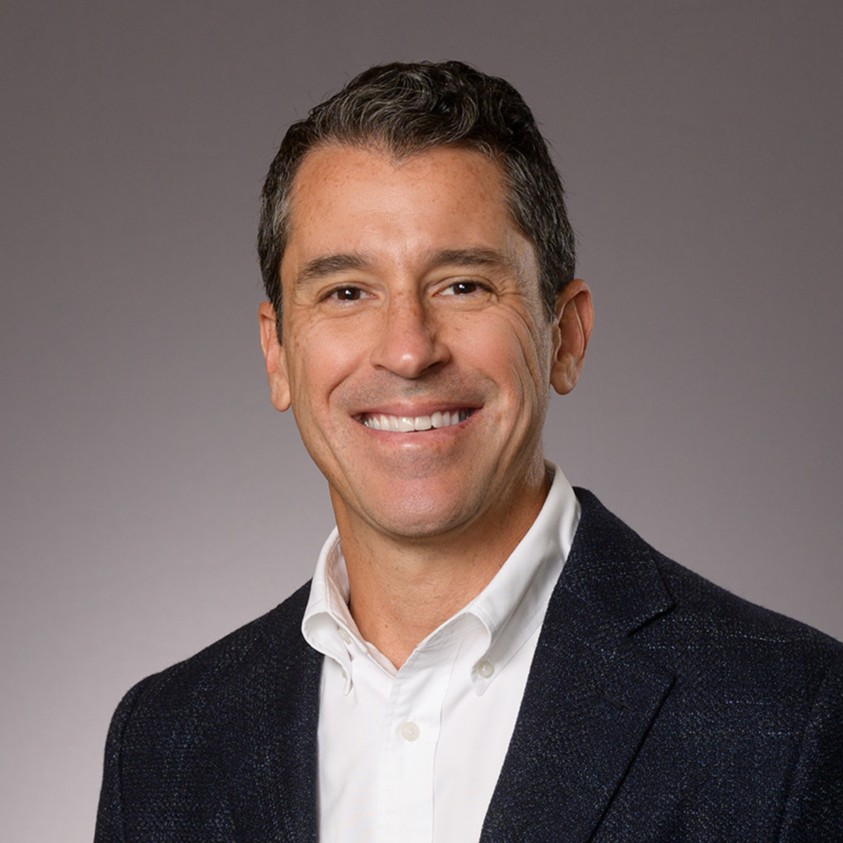
M. Albert Malvehy
MD, RVT, DABVLM
Expert Vein Treatment in Pleasanton & Sacramento
Dr. Malvehy and Golden State Dermatology offer vein treatment through Norcal Vein Specialists. Offices are located in the East Bay (Pleasanton) and Sacramento.
Norcal Vein Specialists East Bay
Norcal Vein Specialists Sacramento
About Vein Conditions
Do you think you may have a vein condition such as varicose veins or spider veins? Golden State Dermatology specializes in the diagnosis and treatment of vein conditions, offering patients advanced care and modern treatment approaches that can relieve symptoms and prevent complications.
Varicose Veins
Varicose veins are enlarged, twisted veins visible beneath the skin’s surface, typically appearing in the legs and feet. These abnormal veins develop when the one-way valves inside leg veins fail to function properly, allowing blood to flow backward and pool rather than returning to the heart efficiently. The result is swollen, rope-like veins that can cause discomfort and signal deeper circulation problems.
The condition is more than a cosmetic concern. Varicose veins indicate underlying venous insufficiency that affects blood circulation in the lower extremities. Without treatment, they progressively worsen and may lead to significant complications, including leg pain, cramping, swelling, blood clots, skin discoloration, and venous ulcers.
Genetics plays the primary role in determining who develops varicose veins. If your parents or siblings have vein disease, your risk increases substantially. Additional factors include multiple pregnancies, prolonged standing, and a history of deep vein thrombosis. Age and hormonal changes also contribute to valve deterioration over time.
Many patients report leg heaviness, persistent cramping, or symptoms resembling Restless Leg Syndrome. While compression stockings and leg elevation provide temporary relief, they don’t address the underlying circulation dysfunction. Golden State Dermatology offers advanced in-office treatments that target the root causes of varicose veins, providing long-term relief.
Specialties
- Aesthetician Services
- Agnes RF
- Blue Light & Levulan
- Botox Cosmetic
- Cellulaze
- Chemical Peels
- Clear + Brilliant Laser
- CoolSclupting
- CoolTone
- Cosmopen
- DAXXIFY
- Dermal Fillers
- DermaSweep
- DiamondGlow
- Elite Laser
- FotoFacial
- Fraxel Dual Laser
- FX Laser Resurfacing
- Hair Restoration
- HydraFacial
- KeraLase
- Kybella
- Latisse for Lashes
- LaseMD Skin Resurfacing
- Laser Hair Removal
- MiraDry
- PicoSure Laser
- Scarlet SRF
- Scar Revision
- Sclerotherapy
- Skin Cancer Reconstruction
- SmartLipo
- SofTap
- Tattoo Removal
- Ultherapy
- UltraClear
Venous Insufficiency
Venous insufficiency is a circulatory disorder in which blood fails to return effectively from the legs to the heart. The veins in your legs contain one-way valves that work against gravity to push blood upward.
When these valves malfunction, typically due to inherited structural defects, blood flows backward toward the ankles and feet. This backward flow, called reflux, causes blood to accumulate in the lower legs throughout the day.
The Great Saphenous Vein is the most common site of valve failure. As gravity pulls blood downward through damaged valves, pressure builds in the leg veins, leading to a cascade of symptoms and potential complications. Venous insufficiency is significantly underdiagnosed because it can occur without visible varicose veins.
Symptoms include:
- Leg heaviness
- Throbbing or aching pain
- Calf cramps, especially at night
- Leg swelling
- Restless Leg Syndrome
- Skin discoloration around the ankles
- Venous ulcers
Venous insufficiency is a progressive condition that worsens over time. Compression stockings can slow progression, but cannot reverse valve damage or restore normal circulation. Early diagnosis and treatment prevent advancement to more serious complications, including venous ulcers.
Venous Ulcers
Venous ulcers are open wounds that develop on the lower leg or ankle, typically in the gaiter area between the calf and foot. Poor circulation in the lower leg creates chronic inflammation that breaks down the skin. The damaged tissue becomes vulnerable to ulceration, even in patients who have never developed visible varicose veins.
Venous ulcers are often painful and notoriously difficult to heal without addressing the underlying vascular dysfunction. Many patients suffer for years, receiving only wound care, like compression therapy, bandages, and topical creams, without treating the root cause.
Without correcting the abnormal blood flow patterns, these wounds rarely heal completely. When they do close temporarily, recurrence rates approach 90% because the circulation problem persists.
The ulcers usually follow a period of progressive skin discoloration and texture changes. The skin becomes brownish, thickened, and leathery before eventually breaking down into an open sore. Early recognition of these warning signs allows intervention before ulceration develops.
Modern treatment focuses on identifying and correcting the specific circulatory abnormalities that cause the ulcer. By restoring normal circulation, venous ulcer healing accelerates, and recurrence rates drop dramatically, from 90% to approximately 2%.
Spider Veins
Spider veins are small dilated blood vessels visible in the skin, typically measuring less than one millimeter in diameter. They appear as red, blue, or purple web-like patterns, most commonly on the legs and face.
Nearly everyone develops some spider veins by age 30, though many people notice them during adolescence. Both men and women experience spider veins, with severity primarily determined by genetics.
The condition tends to progress more rapidly during pregnancy, often accompanied by weight fluctuations and hormonal changes. While spider veins are usually asymptomatic, some patients report aching or itching in affected areas. Spider veins may indicate deeper venous insufficiency, particularly when they appear in certain distribution patterns or progress rapidly.
Golden State Dermatology uses ultrasound examination when spider vein patterns suggest underlying circulation problems. This diagnostic step identifies patients who need treatment for deeper vein dysfunction before addressing surface veins.
Modern treatment approaches use FDA-approved sclerosing agents that are effective without the burning sensation associated with older methods. Advanced techniques, including foam sclerotherapy and ultrasound-guided injection, allow treatment of larger or resistant spider vein networks.
How are Vein Conditions Diagnosed?
Golden State Dermatology uses comprehensive vascular ultrasound to map the venous system and identify specific circulation abnormalities. This non-invasive examination reveals which veins have malfunctioning valves, measures blood flow patterns, and pinpoints the source of circulation problems.
The ultrasound examination takes approximately 30 minutes and involves no discomfort. Your provider uses sound waves to visualize the veins and assess valve function throughout the leg. The examination identifies not only visible surface abnormalities but also hidden problems in deeper veins that cannot be seen or felt during physical examination.
Modern Treatment Approaches for Vein Conditions
Treatment for vein conditions has transformed dramatically. Golden State Dermatology uses office-based procedures that require no operating room, no general anesthesia, no incisions, and no downtime. Patients drive themselves to and from appointments and resume normal activities immediately or the next day.
EndoVenous Laser Ablation
EndoVenous laser ablation treats incompetent veins by delivering laser energy through a thin fiber inserted into the vein. The laser heats the vein wall, causing it to close and seal shut.
Blood automatically reroutes through healthy veins with functioning valves. The body gradually absorbs the treated vein over several months. This technique effectively addresses the Great Saphenous Vein and other major veins contributing to venous insufficiency.
Ultrasound-Guided Chemical Ablation
Ultrasound-guided chemical ablation uses injectable medications to close abnormal veins. Under ultrasound visualization, a sclerosing agent is precisely delivered into target veins, causing them to close. This approach works well for veins too small or too large for laser treatment and allows treatment of complex vein networks with multiple problem areas.
Combination Treatments
Many patients achieve definitive resolution with a single comprehensive treatment session that combines multiple techniques. By addressing the root cause of circulation dysfunction rather than just treating visible veins, this approach provides lasting results. For patients with venous ulcers, treatment often enables wound healing that was impossible with wound care alone.
Don’t let vein conditions limit your activities or progress to complications. The combination of accurate diagnosis, appropriate treatment, and expert care can restore normal circulation, relieve symptoms, heal wounds, and prevent future problems. Contact Golden State Dermatology to schedule your vein evaluation and take control of your vascular health today!